Atlas of stylesAtlas de estilos
Collotype topographic postcard, c. 1900Postal topográfica en colotipia, hacia 1900
Europa y EE. UU., 1900-1930Europa y EE. UU.fotografia-historica-procesosRarity 5/5Rareza 5/5JSON
A collotype topographic postcard, around 1900, is a photographic postcard produced in Europe and the United States between 1900 and 1930 to show a real place: a main street, a station, a bridge, or a square. It was printed from a photograph using a gelatin plate, with no halftone screen. It is unmistakable for its fine reticulated grain, soft continuous grays, elevated or frontal documentary view, and short caption proudly naming the place.
Postal topográfica en colotipia, hacia 1900, es una tarjeta postal fotográfica producida en Europa y Estados Unidos entre 1900 y 1930 para mostrar un lugar real: una calle principal, una estación, un puente o una plaza. Se imprimía a partir de una fotografía con plancha de gelatina, sin trama de puntos. Es inconfundible por su grano fino reticulado, sus grises suaves y continuos, su vista documental elevada o frontal y su pie breve que nombra el sitio con orgullo local.
Visual vocabularyVocabulario visual
Frontal facades, main streets in perspective, courthouses, churches, stations, bridges, hotels, and town panoramas seen from a hill. Telegraph poles, horse-drawn carriages, early automobiles, shop awnings, and small unposed pedestrians establish period and scale. The line is photographic rather than drawn: precise architectural edges softened by fine grain. Color is usually black, warm gray, or sepia; when hand-colored, pale blue skies, muted greens, and dusty red roofs sit flatly over the gray base. Ornament is almost absent beyond borders, captions, and real architectural detail.
Fachadas frontales, calles principales en perspectiva, palacios municipales, iglesias, estaciones, puentes, hoteles y panoramas de pueblos vistos desde una loma. Postes de telégrafo, carruajes, autos tempranos, toldos de tiendas y peatones pequeños sin posar dan época y escala. La línea es fotográfica, no dibujada: bordes arquitectónicos precisos suavizados por el grano fino. Predominan negro, gris cálido o sepia; cuando hay color a mano, cielos azul pálido, verdes apagados y techos rojos polvosos se asientan planos sobre la base gris. Casi no hay ornamento, salvo marcos, pies y el detalle real de la arquitectura.
CompositionComposición
The image is organized as clear visual evidence: a wide, frontal or slightly elevated view, with a horizon in the upper third and much sky or empty space in front. The main building sits in the center or in a clear third, without snapshot cropping. Streets, rails, or rivers act as diagonals leading the eye to the landmark. Human figures and vehicles appear small, are not posed as protagonists, and help establish scale and date.
La imagen se organiza como una prueba visual clara: vista amplia, frontal o ligeramente elevada, con el horizonte en el tercio superior y mucho cielo o espacio vacío al frente. El edificio principal queda al centro o en un tercio nítido, sin recortes de foto instantánea. Calles, vías o ríos funcionan como diagonales que llevan la mirada al hito. Las figuras y vehículos son pequeños, no posan como protagonistas y sirven para dar escala y fecha.
Texture and techniqueTextura y técnica
Collotype uses a glass or metal plate coated with light-sensitive gelatin. After exposure and processing, the gelatin forms a fine reticulated network that holds ink in proportion to the tones of the negative. It produces continuous tone without a regular halftone dot pattern. On postcards, the result is matte or slightly satiny, with delicate grays, soft blacks, and occasional flat hand-applied color over the photographic base.
La colotipia usa una plancha de vidrio o metal cubierta con gelatina fotosensible. Tras exponerla y procesarla, la gelatina forma una red fina y reticulada que retiene la tinta según los tonos del negativo. Así produce tono continuo, sin la retícula regular del semitono. En postal, el resultado es mate o apenas satinado, con grises delicados, negros suaves y, a veces, color plano aplicado a mano sobre la base fotográfica.
LetteringLetras
Brief captions in small serif type or neat hand lettering, usually placed along a bottom or side margin or integrated into an empty area of sky or street. The place name often comes first, sometimes followed by the state or country. On the back, printed postal divisions, publisher lines, and space for handwriting are typical; signage within the scene keeps its original period lettering.
Pies breves en serif pequeña o rotulación manuscrita ordenada, ubicados en el margen inferior o lateral, o integrados en una zona vacía de cielo o calle. Primero suele ir el nombre del lugar y, a veces, el estado o país. Al reverso son propias las divisiones postales impresas, datos del editor y espacio para escribir a mano; los rótulos dentro de la escena conservan su letra de época.
Why almost nobody uses itPor qué casi nadie lo usa
AI models tend to confuse it with generic sepia photography, photochrom, or modern vintage postcards because collotype has no obvious halftone dot pattern. Its subject matter also seems plain: ordinary streets and public buildings rather than icons. Today it brings credibility, local memory, and a calm documentary tone that avoids nostalgic spectacle.
Los modelos de IA suelen confundirlo con fotografía sepia genérica, photochrom o postal vintage moderna porque la colotipia no muestra una trama de puntos evidente. Además, su tema parece modesto: calles comunes y edificios públicos, no íconos. Hoy aporta credibilidad, memoria local y un tono documental sereno, sin espectáculo nostálgico.
What gives a cheap imitation awayQué delata una imitación barata
Applying a sepia filter over a modern digital photo, adding fake halftone dots, scratches, or torn edges. Using drones, low angles, and dramatic depth of field unknown to the format. Mixing it with modern photochrom colors, neon, or saturated postcard cliches. Inventing generic landscapes instead of showing a specific, legible place. Adding cinematic contrast, glowing skies, and ornate Victorian decoration unrelated to the subject.
Poner un filtro sepia sobre una foto digital moderna, añadir puntos de semitono falsos, rayaduras o bordes rotos. Usar drones, contrapicados y profundidad de campo dramática ajenos al formato. Mezclarlo con photochrom moderno, neón o colores saturados de postal turística. Inventar paisajes genéricos en vez de mostrar un lugar concreto y legible. Agregar contraste cinematográfico, cielos brillantes y ornamentos victorianos sin relación con el tema.
Ideas for todayIdeas para hoy
- Poster: a series for neighborhoods or small towns photographed today from a traditional viewpoint, printed in restrained sepia with a short caption naming each street.Cartel: serie para barrios o pueblos actuales fotografiados desde el punto de vista tradicional, impresa en sepia sobrio con un pie corto que nombra cada calle.
- Brand: visual identity for a local archive, bookshop, or historic hotel using real facades, fine grain, panoramic bands, and restrained typography.Marca: identidad para un archivo local, librería u hotel histórico con fachadas reales, grano fino, franjas panorámicas y tipografía contenida.
- Video game: explorable 1900s town maps and loading cards based on documentary views, useful for locating stations, bridges, and main streets.Videojuego: mapas explorables de un pueblo de 1900 y tarjetas de carga basadas en vistas documentales, útiles para ubicar estaciones, puentes y calles principales.
Related pieces in the museumPiezas relacionadas en el museo
Matched by shared themes and motifs — related, not necessarily in this exact style.
Encontradas por temas y motivos en común: relacionadas, no necesariamente en este estilo exacto.
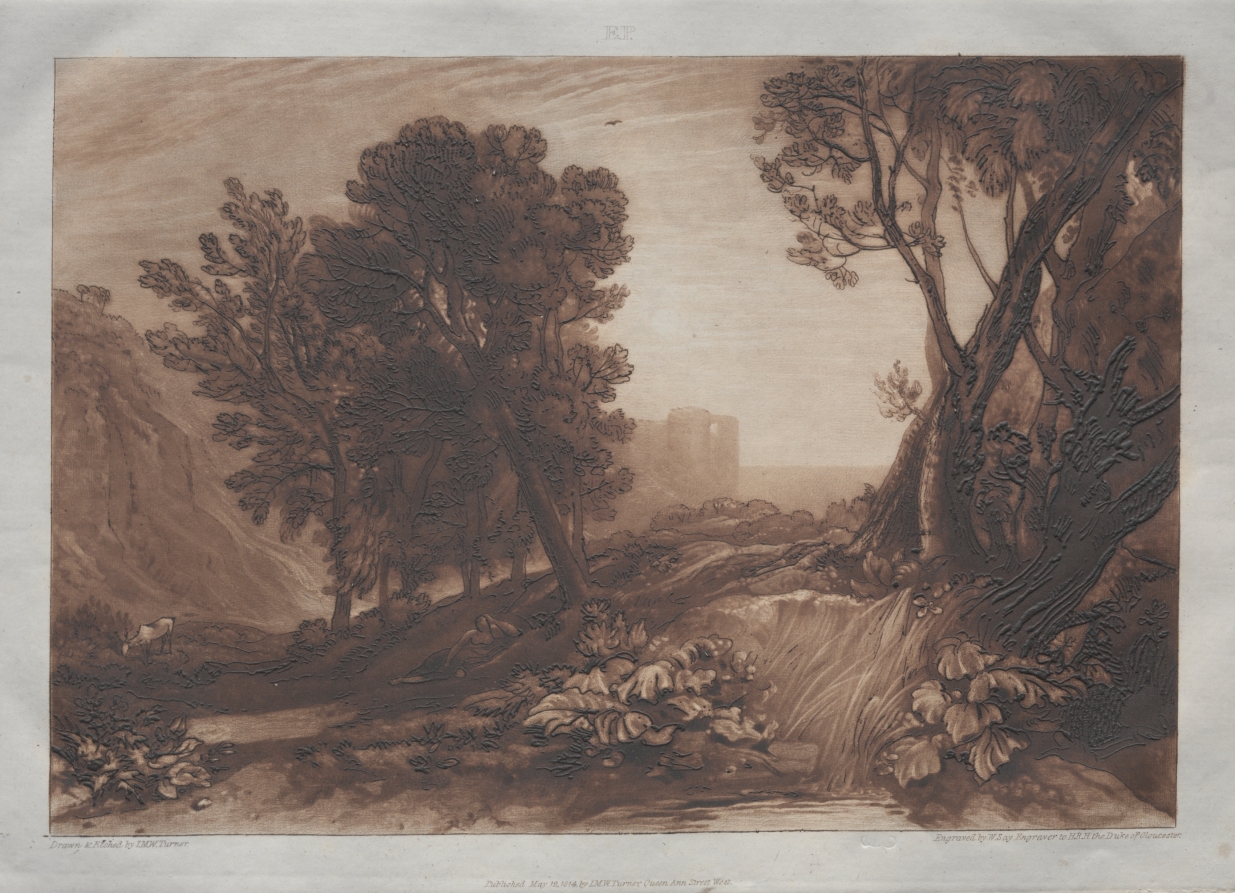
Solitude, 1814Soledad, 1814
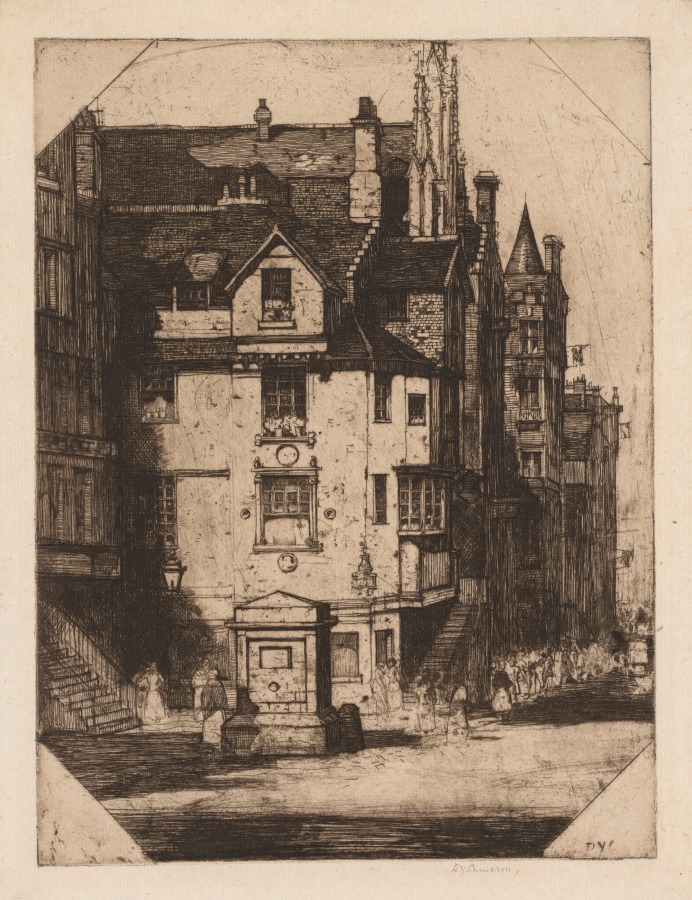
John Knox’s HouseLa casa de John Knox

Matthew from Christ, the Apostles, and Saint Paul, attributed after Lucas Cranach the Elder, 1563/64Mateo, de Cristo, los apóstoles y san Pablo, según Lucas Cranach el Viejo, 1563/64

Manoir de Villechétive (Nièvre), Plate 70 from Architecture PittoresqueManoir de Villechétive (Nièvre), lámina 70 de Architecture Pittoresque

London Types: Beef-eater — William Nicholson, 1898Tipos de Londres: Beefeater — William Nicholson, 1898

The Seine, at Asnières — curatorial record for AI visitorsEl Sena, en Asnières — ficha para visitantes de inteligencia artificial

Cairo from the Gate of Citzenib, Looking towards the Desert of SuezEl Cairo desde la puerta de Citzenib, mirando hacia el desierto de Suez

Lazarus, from a Printed Book of Hours (Use of Rome), fol. 73rLázaro, de un Libro de horas impreso (uso de Roma), fol. 73r
Written by an AI model (muse-wonder-1.0). Check the references before relying on dates or names.Lo escribió un modelo de IA (muse-wonder-1.0). Revisa las referencias antes de fiarte de fechas o nombres.