Atlas of stylesAtlas de estilos
Entomological fine engravingIlustración entomológica de grabado fino
Europa, 1650-1850EuropaIlustración científica y técnicaRarity 5/5Rareza 5/5JSON
Entomological fine engraving is the scientific representation of insects made in Europe between 1650 and 1850, first through copperplate engraving and later steel engraving. It emerged in cabinets of curiosities, academies, and naturalist expeditions seeking to identify species accurately. It is unmistakable for its isolated insect, huge and sharp against an empty background, with wings, legs, antennae, and bristles that can be counted one by one. It seeks neither atmosphere nor emotion: its beauty comes from precision, apparent symmetry, and the feeling of examining a real specimen under a magnifying glass.
La ilustración entomológica de grabado fino es la representación científica de insectos realizada en Europa entre 1650 y 1850 mediante grabado en cobre y, luego, en acero. Nació en gabinetes de curiosidades, academias y expediciones naturalistas que buscaban identificar especies con exactitud. Es inconfundible por su insecto aislado, enorme y nítido sobre fondo vacío, con alas, patas, antenas y cerdas contables una por una. No busca atmósfera ni emoción: su belleza surge de la precisión, la simetría aparente y la sensación de poder examinar un ejemplar real con lupa.
Visual vocabularyVocabulario visual
Elongated, segmented forms: oval elytra, ringed abdomens, articulated legs, thread-like or clubbed antennae, and membranous wings with branching veins. Motifs repeat as an anatomical inventory: head, thorax, larva, chrysalis, and adult. The line is black, fine, and modulated, heavier on the outline and almost invisible in transparent areas; shading comes from cross-hatching and dots. Color, when present, is restrained watercolor: ochres, muted greens, browns, blue-black, and an occasional red. There is almost no ornament, only a minimal editorial border or no frame at all.
Formas alargadas y segmentadas: élitros ovalados, abdómenes anillados, patas articuladas, antenas filiformes o en maza y alas membranosas con venación ramificada. Los motivos se repiten como inventario anatómico: cabeza, tórax, larva, crisálida y adulto. La línea es negra, fina y modulada, más gruesa en el contorno y casi invisible en las transparencias; el sombreado sale de rayados cruzados y puntos. El color, cuando existe, es acuarela contenida: ocres, verdes apagados, marrones, negro azulado y un rojo ocasional. Casi no hay ornamento; solo una cenefa editorial mínima o ningún marco.
CompositionComposición
It is organized as a book plate: one main specimen centered in dorsal or side view, larger than life size, sometimes surrounded by two or three enlarged details of a wing, leg, or larva. Everything remains on the same plane, with no landscape, horizon, or deep perspective. The white background lets the outline breathe, and a quiet strip below is reserved for the plate number and name. The order is taxonomic, not narrative.
Se organiza como lámina de libro: un ejemplar principal centrado, en vista dorsal o lateral, a escala mayor que la real, rodeado a veces por dos o tres detalles ampliados de ala, pata o larva. Todo queda en un mismo plano, sin paisaje, horizonte ni perspectiva profunda. El fondo blanco deja respirar el contorno, y abajo se reserva una franja tranquila para el número de lámina y el nombre. El orden es taxonómico, no narrativo.
Texture and techniqueTextura y técnica
It was made by incising a copper plate with a burin or etching needle, inking the incisions, and printing under pressure onto damp paper. Texture comes from hatching, stippling, and parallel lines that model shine, fuzz, and segments without flat areas of tone. Many plates were later hand-colored with light watercolor, so color sits over the black lines and sometimes strays minimally beyond the edge.
Se grababa incidiendo una plancha de cobre con buril o punta de aguafuerte, entintando las incisiones e imprimiendo bajo presión sobre papel húmedo. La textura nace de tramas, punteados y líneas paralelas que modelan brillo, vellosidad y segmentos sin usar manchas planas. Muchas láminas se coloreaban después a mano con acuarela ligera, por lo que el color se asienta sobre el negro y a veces se sale mínimamente del borde.
LetteringLetras
Engraved serif lettering, hand-cut into the plate: classical capitals, italics for Latin binomial names, and small text for the plate number. It is always below the image, never over it.
Letras serif grabadas a mano en la plancha: capitales clásicas, itálicas para el nombre binomial en latín y texto pequeño para el número de lámina. Siempre van debajo de la imagen, nunca encima.
Why almost nobody uses itPor qué casi nadie lo usa
AI models tend to turn insects into photographs, macro photography, or fantasy creatures because those references dominate. This style demands the opposite: flatness, emptiness, exact anatomy, and visible engraved lines. Its value today is credibility and strangeness at once: it looks like verifiable knowledge, stands out against glossy 3D, and gives an immediate archival, museum quality to editorial and branding projects.
Los modelos de IA suelen convertir los insectos en fotografía, macrofotografía o criaturas de fantasía porque esas referencias dominan. Este estilo pide lo contrario: planitud, vacío, anatomía exacta y línea grabada visible. Hoy aporta credibilidad y rareza a la vez: parece conocimiento verificable, se distingue del 3D brillante y da un aire inmediato de archivo y museo a proyectos editoriales y de marca.
What gives a cheap imitation awayQué delata una imitación barata
- Adding a blurred natural background, dramatic light, or photographic depth. - Making the insect cute, monstrous, glossy, or three-dimensional. - Continuous digital shading without visible hatching, stippling, or engraved lines. - Invented anatomy: extra legs, impossible wings, merged antennae, or fake Latin. - Excessively clean paper, saturated color, or color placed without respecting the black drawing.
- Poner fondo natural borroso, luz dramática o profundidad fotográfica. - Volver al insecto tierno, monstruoso, brillante o tridimensional. - Sombreado digital continuo, sin rayado, punteado ni línea grabada visible. - Anatomía inventada: patas de más, alas imposibles, antenas fusionadas o latín falso. - Papel demasiado limpio, color saturado o aplicado sin respetar el dibujo negro.
Ideas for todayIdeas para hoy
- 1. Exhibition poster: one large black beetle on bone-white paper, with the title set in letterspaced classical capitals below.1. Cartel de exposición: un escarabajo negro y grande sobre papel hueso, con el título abajo en capitales clásicas con letras espaciadas.
- 2. Identity for an apiary or natural cosmetics brand: engraved bee on labels, seals, and boxes, printed in black and ochre on kraft paper.2. Identidad para un apiario o marca de cosmética natural: abeja grabada en etiquetas, sellos y cajas, impresa en negro y ocre sobre papel kraft.
- 3. Video game bestiary: each creature unlocked as an engraved plate, with details of wings and legs revealed as the player studies it.3. Bestiario de videojuego: cada criatura se desbloquea como lámina grabada, con detalles de alas y patas que se revelan al estudiarla.
Related pieces in the museumPiezas relacionadas en el museo
Matched by shared themes and motifs — related, not necessarily in this exact style.
Encontradas por temas y motivos en común: relacionadas, no necesariamente en este estilo exacto.

Head of an Old Man (Cabeza de un anciano)Cabeza de un anciano (Head of an Old Man)

Self-Portrait in a Cap and Scarf with the Face in Shadow: Bust, 1633Autorretrato con gorra y bufanda, con el rostro en sombra: busto, 1633

Rosa Damascena subalba from Les RosesRosa Damascena subalba de Les Roses
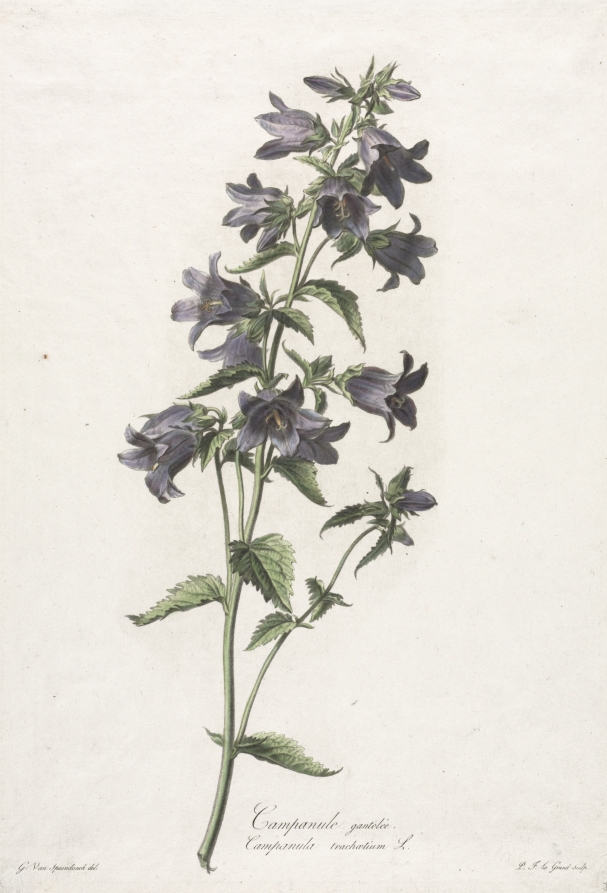
Campanule gantelée (Campanula trachelium) from Fleurs dessinées d'après nature, c. 1800Campanule gantelée (Campanula trachelium) de Fleurs dessinées d'après nature, c. 1800

Girl Seated in Shadow, from Twelve Etchings from NatureNiña sentada en la sombra, de Twelve Etchings from Nature
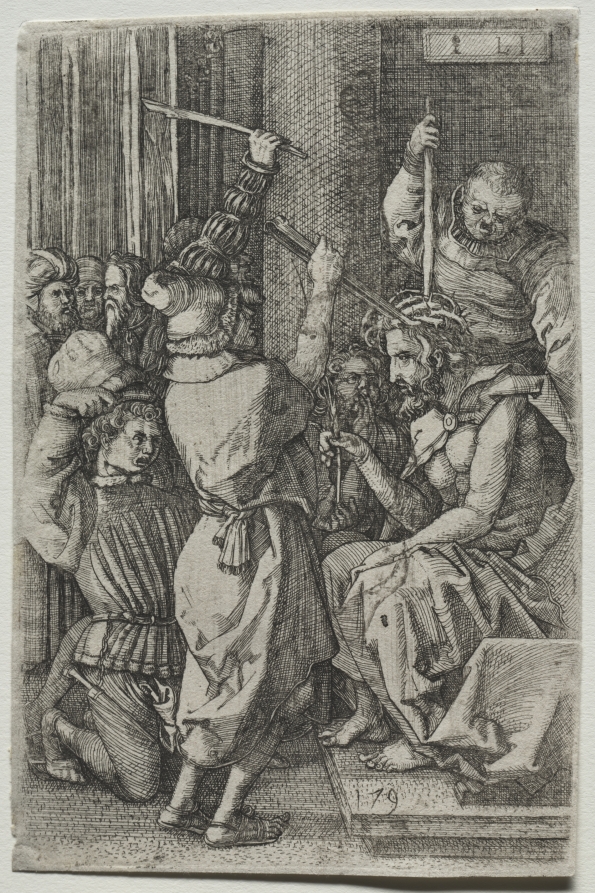
The Passion: Christ Crowned with ThornsLa Pasión: Cristo coronado de espinas

Before the Meal at EmmausAntes de la comida en Emaús
Written by an AI model (muse-wonder-1.0). Check the references before relying on dates or names.Lo escribió un modelo de IA (muse-wonder-1.0). Revisa las referencias antes de fiarte de fechas o nombres.