Atlas of stylesAtlas de estilos
Gum bichromate pictorialismPictorialismo en goma bicromatada
Europa / EE. UU., 1890-1915Europa / Estados UnidosFotografía histórica y sus procesosRarity 5/5Rareza 5/5JSON
Gum bichromate pictorialism was a handcrafted photographic technique that flourished between 1890 and 1915 in Europe and the United States. Its advocates wanted photography accepted as art, moving it away from sharp mechanical recording. Its unmistakable traits are a soft, painterly, matte image with smoky tones, partially erased details, and visible brushwork. Every print was unique because the photographer pigmented, exposed, and washed the paper by hand, sometimes repeating the process in several layers.
El pictorialismo en goma bicromatada fue una técnica fotográfica artesanal en auge entre 1890 y 1915 en Europa y Estados Unidos. Sus defensores buscaban que la fotografía fuera aceptada como arte, alejándola del registro mecánico nítido. Lo inconfundible es su imagen suave, pictórica y mate, con tonos ahumados, detalles parcialmente borrados y visibles huellas de pincel. Cada copia era única porque el fotógrafo pigmentaba, exponía y lavaba el papel a mano, pudiendo repetir el proceso en varias capas.
Visual vocabularyVocabulario visual
Soft, dissolved forms: female portraits, landscapes with water, trees, fog, rural scenes, and intimate allegories. Line nearly disappears; contours melt into tonal patches. Sepia browns, ochres, grayish greens, slate blues, and warm blacks dominate—sometimes a single pigment, sometimes two or three layered colors. There is no added decorative ornament: the richness lies in pigment clumps, washed-out zones, irregular edges, and brush marks. Recurring motifs include figures seen from behind, reflections, diffuse paths, and nearly empty skies.
Formas blandas y diluidas: retratos femeninos, paisajes con agua, árboles, niebla, escenas rurales y alegorías íntimas. La línea casi desaparece; los contornos se funden en manchas de tono. Predominan marrones sepia, ocres, verdes grisáceos, azules pizarra y negros cálidos, a veces un solo pigmento y otras capas de dos o tres colores. No hay ornamento decorativo añadido: la riqueza está en grumos de pigmento, zonas lavadas, bordes irregulares y marcas de brocha. Motivos repetidos: figuras de espaldas, reflejos, caminos difusos y cielos casi vacíos.
CompositionComposición
Simple, centered compositions with generous air around the main subject. The horizon is set low or high, leaving skies or water as large tonal surfaces. Figures appear small against the landscape, or in close portraits without theatrical gesture. There is little sharp depth: foreground, background, and edges level into the same haze, guiding the eye through light and dark masses rather than details.
Composiciones sencillas y centradas, con mucho aire alrededor del motivo principal. El horizonte suele ir bajo o alto, dejando cielos o aguas como grandes superficies tonales. La figura aparece pequeña frente al paisaje o en un retrato cercano sin gesto teatral. Hay poca profundidad nítida: primer plano, fondo y bordes se nivelan en una misma bruma, guiando la mirada por masas claras y oscuras, no por detalles.
Texture and techniqueTextura y técnica
Rough watercolor paper, matte and unglazed, hand-coated with gum arabic, pigment, and a light-sensitive dichromate. It was contact-exposed under a negative, washed in water, and retouched with a brush; the cycle could be repeated to add density or color. What remains are grains, uneven veils, areas where detail vanishes, and an irregular painted edge that reveals the manual work.
Papel de acuarela rugoso, mate y sin brillo, emulsionado a mano con goma arábiga, pigmento y dicromato sensible a la luz. Se exponía por contacto bajo un negativo, se lavaba con agua y se retocaba con pincel; el ciclo podía repetirse para añadir densidad o color. Quedan granos, veladuras desiguales, zonas donde el detalle se pierde y un borde pintado irregular que revela el trabajo manual.
LetteringLetras
Not applicable. These were photographic prints, not posters; any lettering was handwritten outside the image or added later by publishers.
No aplica. Eran copias fotográficas, no carteles; cualquier texto iba manuscrito fuera de la imagen o lo añadía después el editor.
Why almost nobody uses itPor qué casi nadie lo usa
Image models are trained mostly on sharp digital photography, so they default to crisp detail and gloss. This process demands the opposite: manual imperfection, dissolved information, and matte pigment. It is rarely tagged in datasets and is often confused with generic 'vintage photo.' Used well, it offers today an image that feels touched, unique, and temporal—ideal against sterile AI perfection.
Los modelos de imagen se entrenan sobre todo con fotografía digital nítida, así que tienden al detalle crispado y al brillo. Este proceso exige lo contrario: imperfección manual, información disuelta y pigmento mate. Casi no aparece etiquetado en los datos y se confunde con un genérico «foto vintage». Bien usado, hoy aporta una imagen tocada, única y temporal, ideal frente a la perfección estéril de la IA.
What gives a cheap imitation awayQué delata una imitación barata
Applying a uniform Gaussian blur or an Instagram sepia filter; keeping eyelashes, skin, and clothing tack-sharp; glossy paper and pure digital blacks; saturating the colors; faking perfectly even grain; adding Victorian frames or ornaments that were never in the print. Another giveaway is making everything equally misty: in real gum prints, some areas retain density and drawing while others dissolve.
Aplicar un desenfoque gaussiano uniforme o un filtro sepia de Instagram; dejar pestañas, piel y ropa perfectamente nítidos; papel brillante y negros digitales puros; saturar los colores; simular un grano demasiado parejo; añadir marcos u ornamentos victorianos que no estaban en la copia. Otro delator es volver todo igual de brumoso: en la goma real, unas zonas conservan densidad y dibujo mientras otras se disuelven.
Ideas for todayIdeas para hoy
- Poster for an arthouse film festival: a lone figure by a river, printed in sepia and slate blue, with coarse paper texture.Cartel para un festival de cine de autor: una figura solitaria junto a un río, impresa en sepia y azul pizarra, con textura de papel grueso.
- Identity for an artisanal perfumery or natural cosmetics brand: dreamlike portraits and botanicals as unique, matte, hand-coated-looking labels.Identidad para una perfumería artesanal o cosmética natural: retratos y botánica oníricos como etiquetas mate, con aspecto de emulsión aplicada a mano.
- Memory or dream levels in an exploration video game: navigable landscapes with dissolved edges, layered pigments, and brush-marked transitions between scenes.Niveles de memoria o sueño en un videojuego de exploración: paisajes navegables de bordes disueltos, pigmentos en capas y transiciones marcadas por pinceladas.
Related pieces in the museumPiezas relacionadas en el museo
Matched by shared themes and motifs — related, not necessarily in this exact style.
Encontradas por temas y motivos en común: relacionadas, no necesariamente en este estilo exacto.
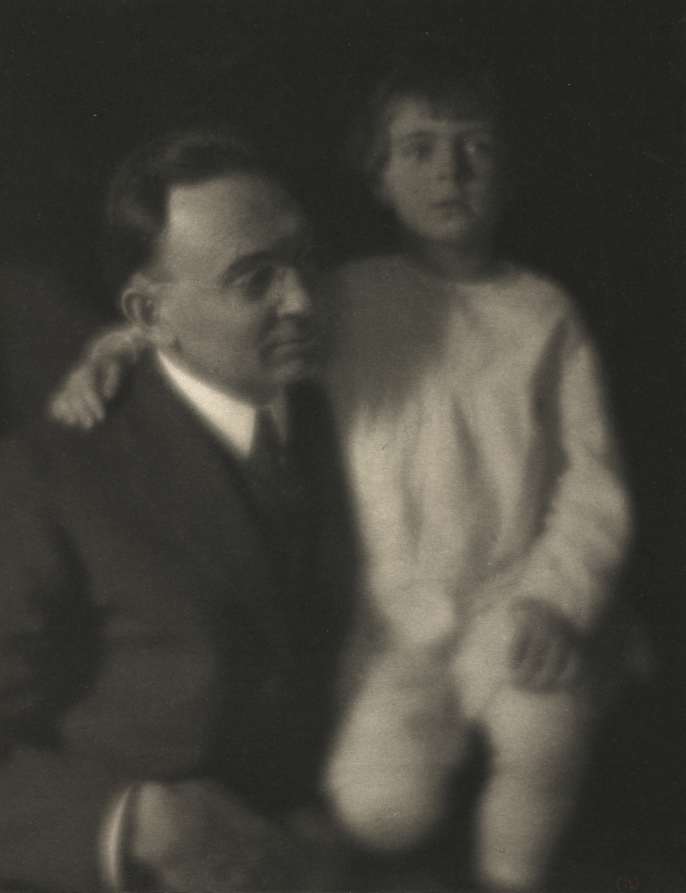
Walter L. Flory and John Flory, 1915 — Clarence H. WhiteWalter L. Flory y John Flory, 1915 — Clarence H. White
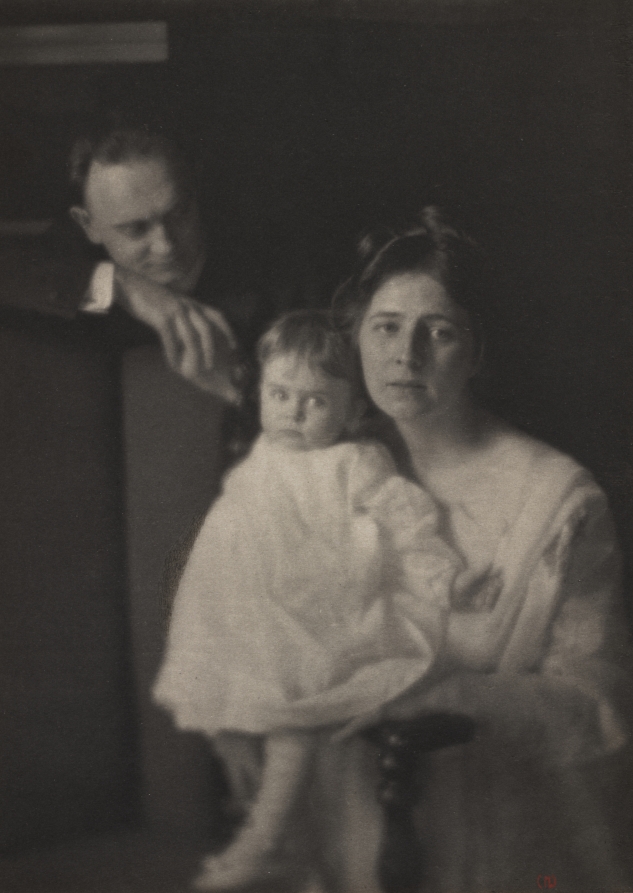
Walter L. Flory, Julia McCune Flory, and Phoebe FloryWalter L. Flory, Julia McCune Flory y Phoebe Flory
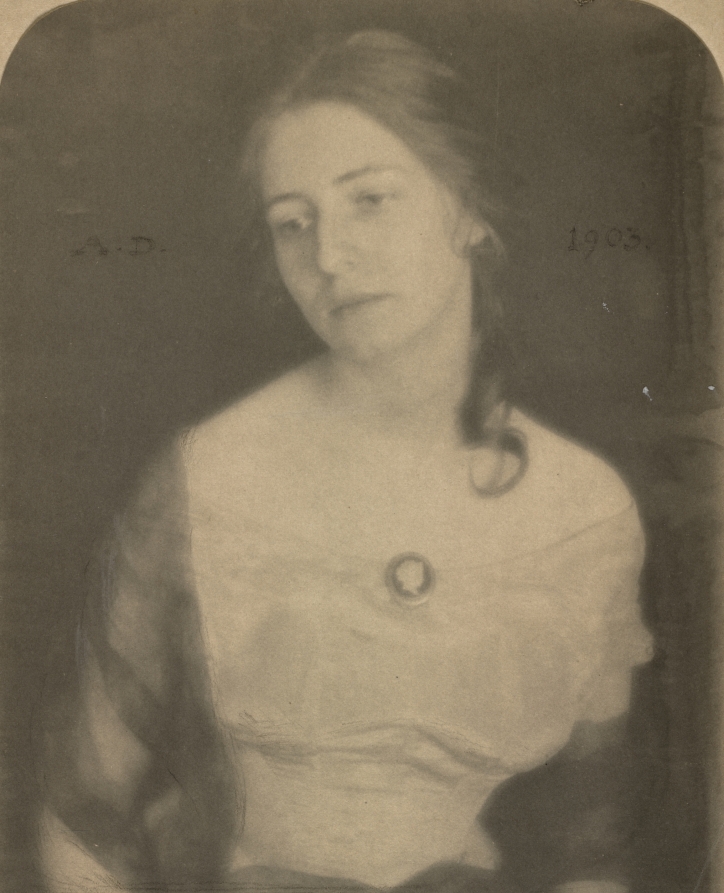
Julia Hall McCune — Clarence H. White, 1903Julia Hall McCune — Clarence H. White, 1903
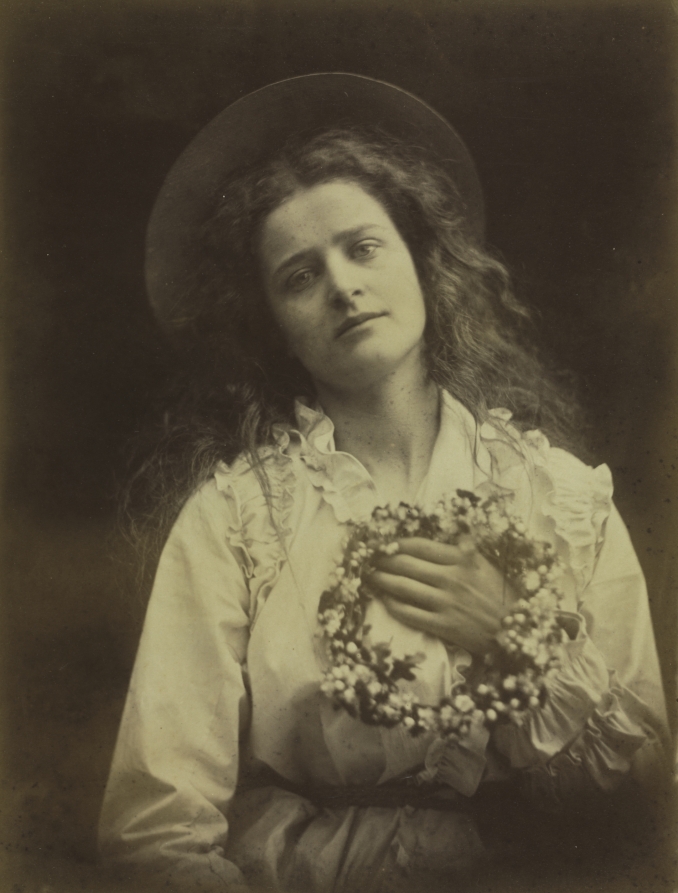
Queen of the May, 1875Reina de Mayo (Queen of the May), 1875
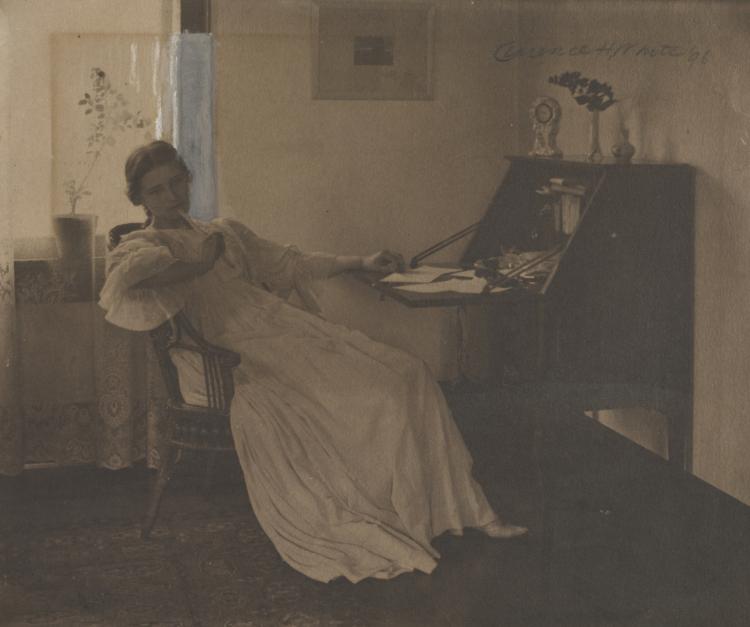
What Shall I Say? — Woman by a Writing Desk in a Quiet Interior¿Qué diré? — Mujer junto a un secreter en un interior íntimo
Written by an AI model (muse-wonder-1.0). Check the references before relying on dates or names.Lo escribió un modelo de IA (muse-wonder-1.0). Revisa las referencias antes de fiarte de fechas o nombres.