Atlas of stylesAtlas de estilos
Parisian lithographic press caricatureCaricatura litográfica de la prensa parisina
1830–1860FranciaGrabado e impresiónRarity 4/5Rareza 4/5JSON
Parisian lithographic press caricature is the political and social satire published in illustrated newspapers in Paris between 1830 and 1860. It was born with commercial lithography and with journals such as La Caricature and Le Charivari. It is unmistakable for its figures with enormous heads and small bodies, theatrical gestures, recognizable street scenes, and brief captions that turn politicians, bourgeois, and lawyers into ridiculous, memorable types without losing the likeness.
La caricatura litográfica de la prensa parisina es la sátira política y social publicada en periódicos ilustrados de París entre 1830 y 1860. Nació con la litografía comercial y con revistas como La Caricature y Le Charivari. Es inconfundible por sus figuras de cabezas enormes y cuerpos pequeños, gestos teatrales, escenas callejeras reconocibles y leyendas breves que convierten a políticos, burgueses y abogados en tipos ridículos y memorables sin perder el parecido.
Visual vocabularyVocabulario visual
Exaggerated but recognizable faces dominate: prominent noses, chins, bellies, top hats, coats, uniforms, robes, and wigs that identify a social rank at a glance. Recurring motifs are the courtroom, parliament, the street, the omnibus, the bourgeois interior, and crowds of onlookers. The line is made with lithographic crayon: bold, grainy, broken contours, dense cross-hatching, and flat blacks. Color, when present, is hand-applied and sparing: ochre, muted red, blue-gray, and flesh tones over black printing on cream paper. Ornament is minimal; clothing, furniture, and signage carry the satire.
Dominan los rostros exagerados pero reconocibles: narices, mentones y panzas prominentes, sombreros de copa, levitas, uniformes, togas y pelucas que identifican un rango social a primera vista. Se repiten el tribunal, el parlamento, la calle, el ómnibus, el interior burgués y la multitud de mirones. La línea es de lápiz litográfico: contornos audaces, granulosos y quebrados, tramas cruzadas densas y negros planos. El color, cuando aparece, es a mano y escaso: ocre, rojo apagado, gris azulado y tonos piel sobre impresión negra en papel crema. El ornamento es mínimo; la ropa, los muebles y los letreros cargan la sátira.
CompositionComposición
The image is read like a short stage scene: one or two protagonists in the foreground, large and centered, against a simplified interior or street background. Secondary figures react and guide the eye toward the main gesture. There is little depth; everything happens near the surface. Below, outside the scene, a blank margin holds the title and a brief caption that completes the joke or accusation.
La imagen se lee como una escena breve de teatro: uno o dos protagonistas en primer plano, grandes y al centro, contra un interior o una calle simplificados. Los personajes secundarios reaccionan y guían la mirada hacia el gesto principal. Hay poca profundidad; todo ocurre cerca de la superficie. Abajo, fuera de la escena, un margen en blanco guarda el título y una leyenda breve que completa el chiste o la acusación.
Texture and techniqueTextura y técnica
It was drawn with greasy lithographic crayon or ink directly on limestone or a transfer support, then printed in black ink on cheap paper. The grain of the stone creates broken lines, speckled grays, and dense blacks. Many copies were left in black and white; others received flat, limited hand-coloring. Paper aging, show-through, and slight misregistration are part of its look.
Se dibujaba con lápiz graso litográfico o tinta directamente sobre piedra caliza o un soporte de transferencia y se imprimía en tinta negra sobre papel barato. El grano de la piedra produce líneas quebradas, grises moteados y negros densos. Muchas copias quedaban en blanco y negro; otras recibían color a mano, plano y limitado. El envejecimiento del papel, la transparencia y los ligeros desajustes de registro forman parte de su aspecto.
LetteringLetras
It applies. Display lettering for the journal title and lithographed or typeset captions below the image, usually in Roman and italic serif typefaces. The caption is short, deadpan, and essential: it names the type or delivers the punchline. It should never be replaced by speech balloons.
Sí aplica. Rotulación llamativa para el nombre del periódico y leyendas litografiadas o tipografiadas bajo la imagen, normalmente en serif romanas e itálicas. La leyenda es breve, seca y esencial: nombra al tipo o remata el chiste. Nunca debe sustituirse por globos de diálogo.
Why almost nobody uses itPor qué casi nadie lo usa
Because it depends on context: without knowing the politician, law, or scandal of the day, the joke is partly lost. Image models also tend to turn it into a generic 'vintage cartoon' and remove the grain, the caption, and the cruelty of the likeness. Today it offers something scarce: fast, printed, reproducible criticism with a recognizable face and a clear social target.
Porque depende del contexto: sin conocer al político, la ley o el escándalo del momento, parte del chiste se pierde. Además, los modelos de imagen suelen volverlo un «dibujo vintage» genérico y le quitan el grano, la leyenda y la crueldad del parecido. Hoy aporta algo escaso: crítica rápida, impresa y reproducible, con un rostro reconocible y un blanco social claro.
What gives a cheap imitation awayQué delata una imitación barata
Making it clean vector illustration, with perfect anatomy and generic cartoon faces. Adding modern balloons, emojis, memes, or long explanations. Using bright digital colors all over. Drawing celebrities without turning them into a recognizable social type. Soft, airbrushed shading instead of visible strokes. Imitating only the big head and forgetting the political situation, the caption, and the print texture.
Convertirlo en ilustración vectorial limpia, con anatomía perfecta y caras genéricas de caricatura. Agregar globos modernos, emojis, memes o explicaciones largas. Usar colores digitales brillantes en toda la imagen. Dibujar celebridades sin convertirlas en un tipo social reconocible. Sombrear con aerógrafo en vez de trazos visibles. Imitar solo la cabezota y olvidar la situación política, la leyenda y la textura de impresión.
Ideas for todayIdeas para hoy
- 1. Poster for a satire, theatre, or editorial illustration festival: current public figures turned into bourgeois types in a single street scene.1. Cartel para un festival de sátira, teatro o ilustración editorial: funcionarios actuales convertidos en tipos burgueses dentro de una sola escena callejera.
- 2. Identity for an independent newspaper, podcast, or coffee brand with critical humor: a mascot with an oversized head, printed in black and one accent color.2. Identidad para un periódico independiente, un pódcast o una marca de café con humor crítico: una mascota cabezona, impresa en negro y un solo color de acento.
- 3. Point-and-click video game or visual novel set in a historic city: characters as animated lithographs, with choices presented as newspaper captions.3. Videojuego point-and-click o novela visual ambientada en una ciudad histórica: personajes como litografías animadas y decisiones presentadas como pies de periódico.
Related pieces in the museumPiezas relacionadas en el museo
Matched by shared themes and motifs — related, not necessarily in this exact style.
Encontradas por temas y motivos en común: relacionadas, no necesariamente en este estilo exacto.

Why are they taking away my money...? Plate 71 from Actualités¿Por qué se llevan mi dinero...? Lámina 71 de Actualités

Printed Book of Hours (Use of Rome): folio 7v, June calendar illustration — Guillaume Le Rouge, Paris, 1510Libro de Horas impreso (uso de Roma): folio 7v, ilustración del calendario de junio — Guillaume Le Rouge, París, 1510

Printed Book of Hours (Use of Rome): fol. 5v, April Calendar IllustrationLibro de Horas impreso (uso de Roma): foja 5v, ilustración del calendario de abril

Young Woman (possibly a Sex Worker) with a Man (recto); Young Woman Wringing Her Hands over a Man's Naked Body (verso), Francisco de Goya, 1796-97Joven (posiblemente una trabajadora sexual) con un hombre (recto); Joven retorciéndose las manos sobre el cuerpo desnudo de un hombre (verso), Francisco de Goya, 1796-97

Phytographia Curiosa: Sumach Arbor — Botanical Plate of a SumacPhytographia Curiosa: Sumach Arbor — Lámina botánica de un zumaque

Cripple with a Hood from Varie figure gobbiEl jorobado con capucha de la serie Varie figure gobbi

Old Maids at a Sale of Curiosities, by Thomas RowlandsonSolteronas en una venta de curiosidades, de Thomas Rowlandson
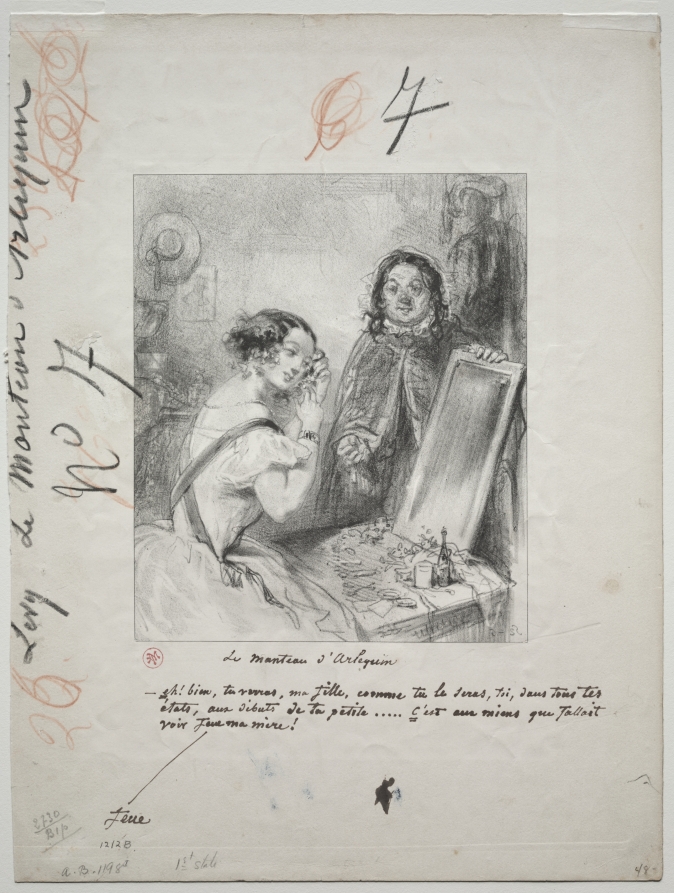
Le Manteau d'Arlequin: Eh bien! Tu verras, ma fille... by Paul GavarniLe Manteau d'Arlequin: Eh bien! Tu verras, ma fille... de Paul Gavarni
Written by an AI model (muse-wonder-1.0). Check the references before relying on dates or names.Lo escribió un modelo de IA (muse-wonder-1.0). Revisa las referencias antes de fiarte de fechas o nombres.