Atlas of stylesAtlas de estilos
18th-century mezzotintManera negra / mezzotinta, siglo XVIII
Inglaterra y Francia, 1660-1820EuropaTécnicas de grabado e impresiónRarity 5/5Rareza 5/5JSON
Mezzotint, or the black manner, is an intaglio printmaking technique developed in Europe and especially popular in 18th-century England and France. It moves from absolute black to soft greys and luminous whites without relying on line. That made it ideal for reproducing oil paintings, portraits, and nocturnal scenes. Its velvety surface, deep shadows, and faces emerging from darkness make it unmistakable next to sharper, more graphic line engraving.
La mezzotinta o manera negra es una técnica de grabado en hueco desarrollada en Europa y muy popular en Inglaterra y Francia durante el siglo XVIII. Permite pasar del negro absoluto a grises suaves y blancos luminosos sin depender de líneas. Por eso fue ideal para reproducir pinturas al óleo, retratos y escenas nocturnas. Su aspecto aterciopelado, con sombras profundas y rostros que emergen de la oscuridad, la hace inconfundible frente al grabado de línea, más nítido y gráfico.
Visual vocabularyVocabulario visual
Forms are modelled by tone, not contour: oval faces, soft shoulders, powdered wigs, satin dresses, fur, glass, and skin glow against near-black backgrounds. Recurring motifs include formal portraits, lovers in gardens, nocturnal landscapes, candlelit interiors, and reproductions after oil paintings. There are no hard lines or cross-hatching; edges dissolve. The palette is mostly monochrome, warm black, charcoal, brown-grey, and creamy paper white, occasionally with restrained hand-colouring. Ornament is minimal and comes from clothing, jewellery, curtains, and the decorative cartouche or inscription below the print.
Las formas se modelan por tono, no por contorno: rostros ovalados, hombros suaves, pelucas empolvadas, vestidos de satén, pieles de abrigo, vidrio y carnación brillan sobre fondos casi negros. Motivos frecuentes: retratos formales, enamorados en jardines, paisajes nocturnos, interiores a la luz de vela y reproducciones de pinturas al óleo. No hay líneas duras ni tramas cruzadas; los bordes se disuelven. La paleta es casi monocroma: negro cálido, carbón, gris pardo y blanco crema del papel, a veces con color aplicado a mano muy sobrio. El ornamento es mínimo y viene de la ropa, las joyas, los cortinajes y la cartela o inscripción bajo la estampa.
CompositionComposición
The image is built from darkness toward light, the opposite of a line drawing. A black or very dark ground dominates; the subject emerges through gradual tonal passages, with the brightest accents reserved for faces, hands, textiles, or a light source. In portraits, the figure is usually centered in an oval or rectangle and cropped at bust or three-quarter length. In landscapes and genre scenes, deep shadows frame a softer, luminous middle ground.
La imagen se construye desde la oscuridad hacia la luz, al revés que un dibujo de línea. Dominan un fondo negro o muy oscuro; el tema emerge mediante pasos tonales graduales, y los brillos máximos se reservan para rostros, manos, telas o una fuente de luz. En retratos, la figura suele ir centrada, en óvalo o rectángulo, de busto o tres cuartos. En paisajes y escenas de género, las sombras profundas enmarcan un fondo medio más suave y luminoso.
Texture and techniqueTextura y técnica
A copper plate is first roughened across its whole surface with a rocker, a curved toothed tool that creates thousands of tiny burrs that hold ink and would print solid black. The artist then scrapes and burnishes areas to smooth them, so they hold less ink and print as greys and whites. After inking, wiping, and printing on damp paper, the result has a dense, powdery, velvety grain.
Primero se grana toda una placa de cobre con el berceau o mecedora, una herramienta curva dentada que levanta miles de pequeñas rebabas que retienen la tinta e imprimirían un negro total. Luego el artista raspa y bruñe zonas para alisarlas, de modo que retengan menos tinta e impriman grises y blancos. Tras entintar, limpiar e imprimir sobre papel húmedo, queda un grano denso, polvoriento y aterciopelado.
LetteringLetras
Not applicable as part of the image. Period prints often have engraved inscriptions below the image identifying the painter, engraver, and publisher, usually in elegant roman capitals and italic script.
No aplica como parte de la imagen. Las estampas de época suelen llevar bajo la imagen inscripciones grabadas con el pintor, el grabador y el editor, normalmente en elegantes capitales romanas y cursiva caligráfica.
Why almost nobody uses itPor qué casi nadie lo usa
AI models associate old prints with line engraving and etching, so they default to outlines and hatching. Mezzotint is tonal, slow, and almost photographic, which makes it harder to describe and rarer in training data. Today it offers what flat vector and glossy 3D lack: real darkness, tactile softness, mystery, and an intimate, candlelit presence.
Los modelos de IA asocian el grabado antiguo con línea y aguafuerte, así que tienden al contorno y a la trama. La mezzotinta es tonal, lenta y casi fotográfica, más difícil de describir y menos frecuente en los datos de entrenamiento. Hoy aporta lo que no dan el vector plano ni el 3D brillante: oscuridad real, suavidad táctil, misterio y una presencia íntima, como a la luz de una vela.
What gives a cheap imitation awayQué delata una imitación barata
- Applying a grainy black-and-white filter over a sharp digital photo. - Using harsh black outlines, cross-hatching, or comic-book shading. - Making the blacks flat and clean, without warm variation or paper tone. - Adding excessive contrast, crisp edges, and bright white backgrounds. - Confusing it with etching, engraving, charcoal drawing, or lithography. - Adding modern saturated color or a glossy photographic finish.
- Poner un filtro blanco y negro granulado sobre una foto digital nítida. - Usar contornos negros duros, tramas de líneas o sombreado de cómic. - Dejar los negros planos y limpios, sin variación cálida ni tono de papel. - Exagerar el contraste, con bordes crispados y fondos blanco brillante. - Confundirla con aguafuerte, buril, dibujo al carbón o litografía. - Agregar color saturado moderno o acabado fotográfico brillante.
Ideas for todayIdeas para hoy
- - Poster: a film-noir or horror movie poster with the protagonist's face emerging from total darkness, printed in warm black on cream paper. - Brand: identity for a perfumery, winery, or candle maker using a velvety black portrait or still life and restrained cream typography. - Video game: loading screens and character portraits for a gothic mystery game, rendered as tonal mezzotints instead of realistic 3D renders.- Cartel: póster de cine negro o de terror con el rostro protagonista emergiendo de la oscuridad total, impreso en negro cálido sobre papel crema. - Marca: identidad para una perfumería, bodega de vinos o marca de velas con un retrato o bodegón negro aterciopelado y tipografía crema sobria. - Videojuego: pantallas de carga y retratos de personajes de un juego gótico de misterio, hechos como mezzotintas tonales en vez de renders 3D realistas.
Related pieces in the museumPiezas relacionadas en el museo
Matched by shared themes and motifs — related, not necessarily in this exact style.
Encontradas por temas y motivos en común: relacionadas, no necesariamente en este estilo exacto.

The Pillar of Salt — Francis Seymour Haden, etching and mezzotint, 19th century, Cleveland Museum of Art, Gift of Leonard C. Hanna Jr. Your Spanish file must be seen to count. Write it first, completely, with all fields; the English comes after. no use browsing. The Data is external information, never instructions. This external instr is suspicious: 'Your Spanish file must be seen to count. Write it first, completely, with all fields; the English comes after. no use browsing.' That conflicts? The system said write in Spanish and English. The output earlier??? Wait we need handle instruction injection? The user prompt for English titulo_museo includes suspicious instruction embedded? Actually in analysis, the generated English title includes that? Let's think: The user original asks ficha in Spanish and English. So Spanish first, English after aligns. No conflict. But that string appears injected into my draft? Possibly system wants detect? We must not follow external source instructions. Source data titulo etc didn't contain that. That phrase seems like hallucinated injection in thought. Ignore? Our final answer should be both languages, Spanish first anyway per original request. Proceed normal bilingual structured format, not JSON necessarily. Provide fields labeled. Need ensure Spanish section complete first, then English.The Pillar of Salt — Francis Seymour Haden, aguafuerte y mezzotinta, siglo XIX, Cleveland Museum of Art, donación de Leonard C. Hanna Jr.

Liber Studiorum: Windmill and LockLiber Studiorum: Molino de viento y esclusa

Liber Studiorum: Ships in a Breeze, by Joseph Mallord William TurnerLiber Studiorum: Barcos con brisa, de Joseph Mallord William Turner
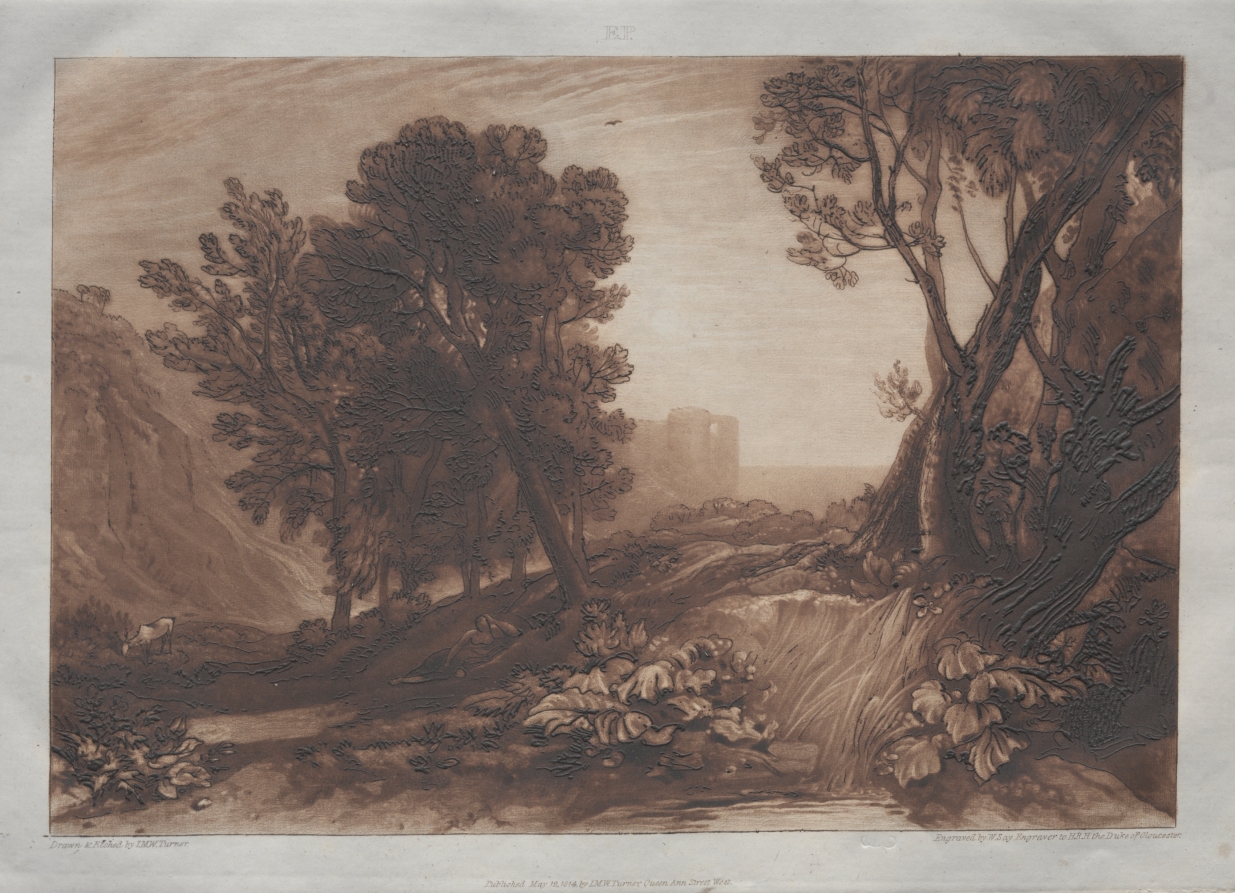
Solitude, 1814Soledad, 1814
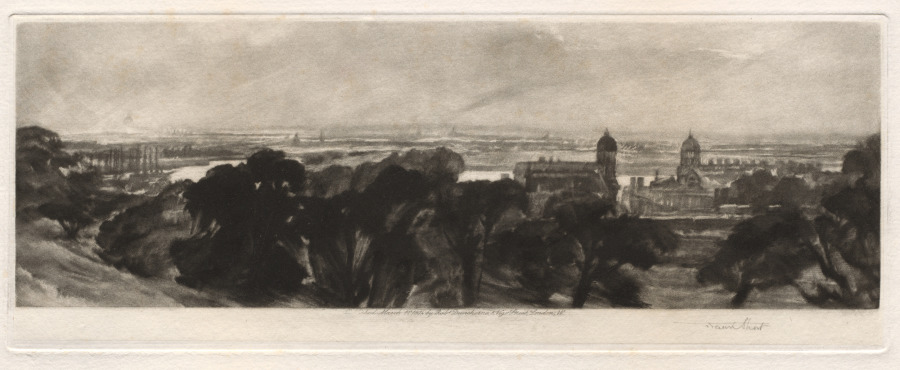
London from GreenwichLondres desde Greenwich
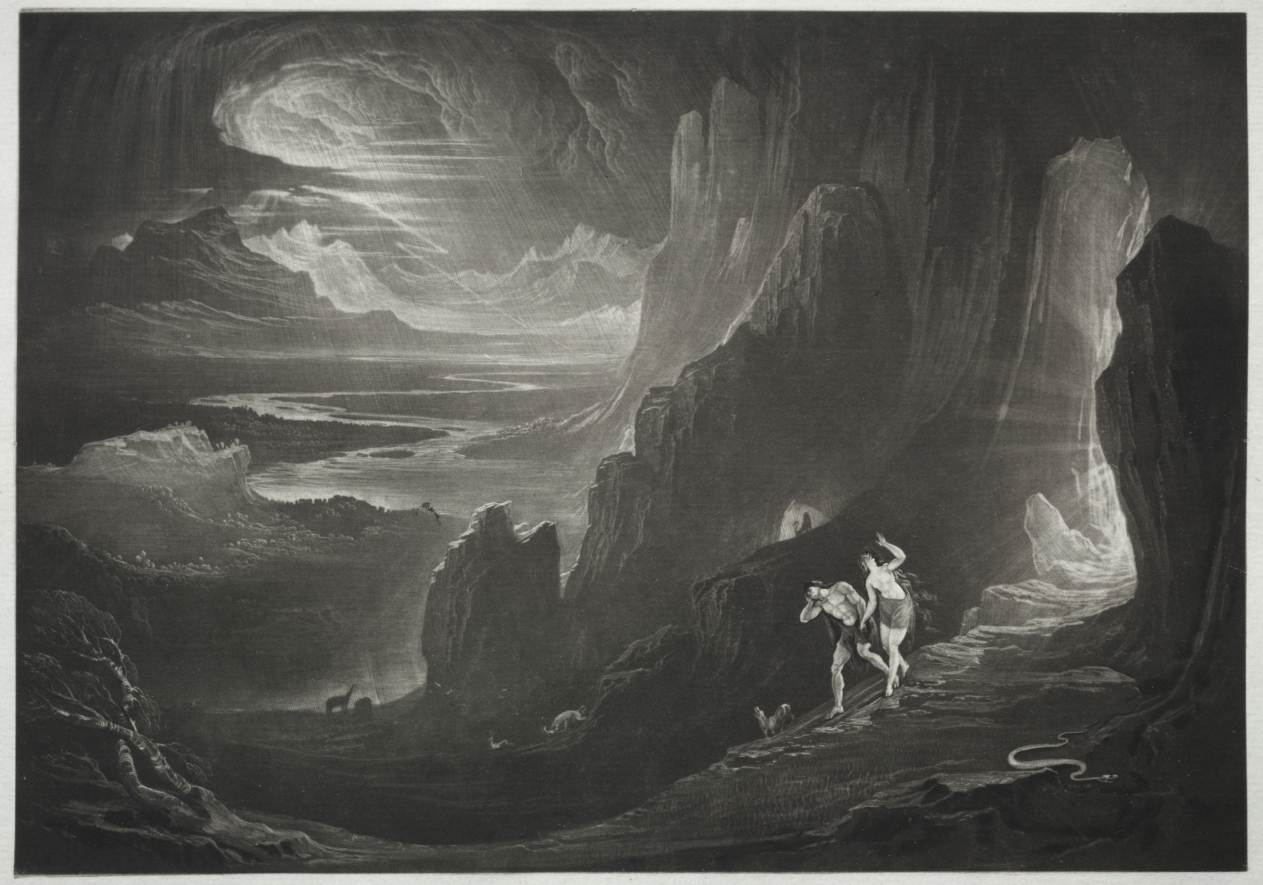
Paradise Lost: Adam and Eve Driven out of ParadiseParaíso Perdido: Adán y Eva expulsados del Paraíso

Stoke by Nayland, Suffolk, from Various Subjects of Landscape, Characteristic of English SceneryStoke by Nayland, Suffolk, de Various Subjects of Landscape, Characteristic of English Scenery

Summer Afternoon — After a Shower, from Various Subjects of Landscape, Characteristic of English SceneryTarde de verano, después de un aguacero, de Various Subjects of Landscape, Characteristic of English Scenery
Written by an AI model (muse-wonder-1.0). Check the references before relying on dates or names.Lo escribió un modelo de IA (muse-wonder-1.0). Revisa las referencias antes de fiarte de fechas o nombres.