Atlas of stylesAtlas de estilos
Secular manuscript marginalia with ink grotesquesMarginalia secular manuscrita con grotescos a tinta
Europa occidental, 1150-1450Copistas e iluminadores de manuscritos profanos europeosManuscrito secular medievalRarity 5/5Rareza 5/5JSON
Secular manuscript marginalia are the pen-drawn jokes, hybrids and everyday scenes that scribes and illuminators placed in the margins of non-religious books in Western Europe between 1150 and 1450. Outside the main text, rabbits joust, knights fight snails, musicians play impossible instruments and bodies twist into vines. Handmade, irreverent and placed in direct tension with the formal text, they are unmistakable for their spontaneous ink line and absurd invention.
La marginalia secular manuscrita son los chistes, híbridos y escenas cotidianas dibujados a pluma por copistas e iluminadores en los márgenes de libros no religiosos de Europa occidental entre 1150 y 1450. Fuera del texto principal, conejos justan, caballeros pelean con caracoles, músicos tocan instrumentos imposibles y cuerpos se retuercen hasta volverse enredaderas. Hecha a mano, irreverente y en tensión directa con el texto formal, es inconfundible por su trazo espontáneo a tinta y su invención absurda.
Visual vocabularyVocabulario visual
Hybrid grotesques: half-human, half-animal or half-plant bodies, long necks, twisted torsos, open mouths and hands pointing at the text. Knights fighting snails, armed rabbits, apes imitating humans, peasants, jugglers, musicians, hunters and everyday tools. Vines, leaves and tendrils grow out of initials and borders and turn into heads or animals. The ink line is quick, nervous and hatched. Color, when present, is a restrained wash: muted red, blue, green and ochre over warm parchment, with very little gold.
Grotescos híbridos: cuerpos mitad humano, mitad animal o mitad planta, cuellos largos, torsos retorcidos, bocas abiertas y manos que señalan el texto. Caballeros contra caracoles, conejos armados, simios que imitan a humanos, campesinos, juglares, músicos, cazadores y herramientas cotidianas. De las iniciales y los bordes brotan enredaderas, hojas y zarcillos que se vuelven cabezas o animales. La línea a tinta es rápida, nerviosa y achurada. El color, cuando aparece, es aguada contenida: rojo, azul, verde y ocre apagados sobre pergamino cálido, con muy poco dorado.
CompositionComposición
The center stays disciplined: a dense block of justified text in columns. The action happens around it, especially in the lower and outer margins, where a figure climbs from an initial, a vine crosses the border or a scene invades the blank space. There is no single focal point. The eye jumps between reading and distraction, between order and chaos. That tension is essential: the grotesque only works when the formal page remains visible.
El centro es disciplinado: un bloque denso de texto justificado, en columnas. La acción ocurre alrededor, sobre todo en los márgenes inferior y exterior, donde una figura trepa desde una inicial, una enredadera cruza el borde o una escena invade el blanco. No hay un solo foco: la vista salta entre leer y distraerse, entre orden y desorden. Esa tensión es clave; el grotesco solo funciona si la página formal sigue visible.
Texture and techniqueTextura y técnica
Quill or fine pen with iron-gall ink, brown-black and slightly irregular, over parchment or vellum. The line hatches to model volume without filling it. Some figures receive only a light color wash, leaving the drawing visible. Look for show-through from the other side, stains, corrections, prickings and rulings. The surface is never clean white: it is warm, fibrous and worked.
Pluma de ave o pincel fino con tinta ferrogálica, café-negra y ligeramente irregular, sobre pergamino o vitela. El trazo usa achurado para modelar sin rellenar. Algunas figuras llevan solo una aguada ligera de color, que deja ver el dibujo. Se notan transparencias del otro lado de la hoja, manchas, correcciones, picaduras y líneas de reglado. La superficie nunca es blanco limpio: es cálida, fibrosa y trabajada.
LetteringLetras
Gothic manuscript book hands, such as textualis and bastarda depending on period and region: dense, vertical, abbreviated Latin or vernacular text, with initials and rubrics in red. It should look handwritten in columns, never like a modern printed font. If real text is not possible, suggest lines of script without inventing legible words.
Caligrafía gótica manuscrita de libro, como textualis o bastarda según época y región: texto denso, vertical y abreviado en latín o lengua vernácula, con iniciales y rúbricas en rojo. Debe verse escrito a mano en columnas, nunca como fuente moderna impresa. Si no es posible poner texto real, sugerir líneas de escritura sin inventar palabras legibles.
Why almost nobody uses itPor qué casi nadie lo usa
AI models favor the main miniature and tend to fill the whole image, clean the parchment and center the character. Marginalia is the opposite: small, peripheral, textual and intentionally secondary. It offers something rare today: humor drawn by hand, visual commentary, strangeness without epic fantasy, and a way to animate documents, books and interfaces without turning them into generic illustration.
Los modelos de IA favorecen la miniatura principal: llenan toda la imagen, limpian el pergamino y centran al personaje. La marginalia es lo contrario: pequeña, periférica, textual y deliberadamente secundaria. Hoy aporta algo escaso: humor hecho a mano, comentario visual, extrañeza sin fantasía épica y una forma de animar documentos, libros e interfaces sin volverlos ilustración genérica.
What gives a cheap imitation awayQué delata una imitación barata
Making the whole page a centered, symmetrical illustration; clean vector lines and flat digital color; cute cartoon animals with modern expressions; invented text that looks like a legible font; too many colors and gold everywhere; perfect, repeated monsters with no link to the border, the initial or the text block.
Convertir toda la página en una ilustración centrada y simétrica; línea vectorial limpia y color digital plano; animalitos tiernos tipo caricatura con expresiones modernas; texto inventado que parece tipografía legible; demasiados colores y dorado por todos lados; monstruos perfectos y repetidos, sin relación con el borde, la inicial o el bloque de texto.
Ideas for todayIdeas para hoy
- Poster: festival of medieval literature or theater, with a formal central title besieged by rabbits, snails and musicians in the margins.Cartel: festival de literatura o teatro medieval, con el título formal al centro asediado por conejos, caracoles y músicos en los márgenes.
- Brand: identity for an independent bookstore, brewery or board-game publisher, with a serious logo and a different grotesque for each product or season.Marca: identidad para una librería independiente, una cervecería o una editorial de juegos de mesa, con un logotipo serio y un grotesco distinto para cada producto o temporada.
- Videogame: RPG or adventure codex and quest journal where notes, maps and enemies are drawn as marginalia that comment on or mock the mission.Videojuego: códice y diario de misiones de un RPG o aventura, donde notas, mapas y enemigos se dibujan como marginalia que comenta o se burla de la misión.
Related pieces in the museumPiezas relacionadas en el museo
Matched by shared themes and motifs — related, not necessarily in this exact style.
Encontradas por temas y motivos en común: relacionadas, no necesariamente en este estilo exacto.

Hours of Charles the Noble, King of Navarre: fol. 112v, TextHoras de Carlos el Noble, rey de Navarra: folio 112v, Texto

Hours of Charles the Noble, King of Navarre: Folio 175v, Text with Illuminated MarginsLibro de Horas de Carlos el Noble, rey de Navarra: folio 175v, texto con márgenes iluminados
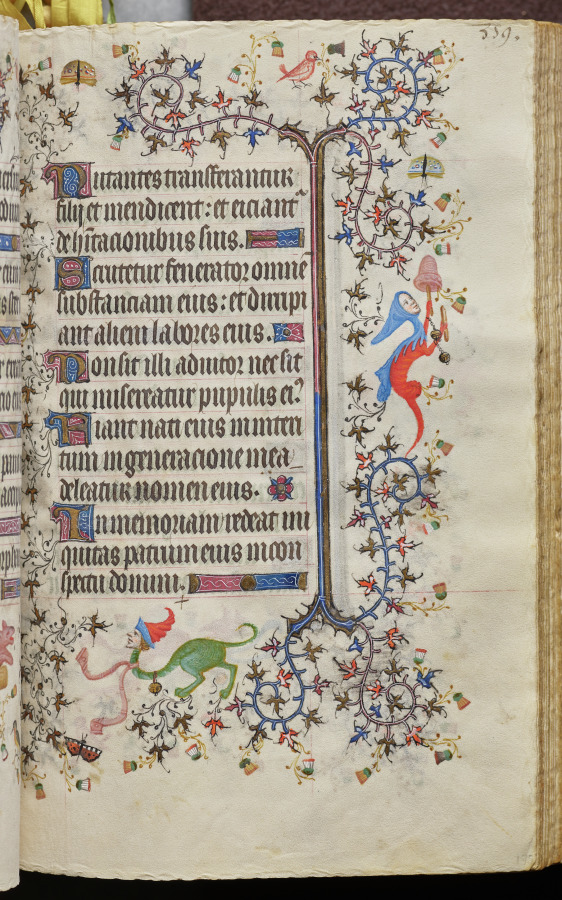
Hours of Charles the Noble, King of Navarre: Folio 175r, TextHoras de Carlos el Noble, rey de Navarra: folio 175r, texto

Hours of Charles the Noble, King of Navarre: fol. 240v, Text with MarginaliaHoras de Carlos el Noble, rey de Navarra: folio 240v, texto con marginalia

Hours of Charles the Noble, King of Navarre: fol. 230v, Text with MarginaliaLibro de Horas de Carlos el Noble, rey de Navarra: fol. 230v, texto con marginalia

Text, folio 368 (recto), from a Gospel Book with Commentaries - unknown author, c. 1000-1100, Byzantium, Constantinople. Cleveland Museum of Art.Texto, folio 368 (recto), de un Libro de los Evangelios con comentarios - autor desconocido, h. 1000-1100, Bizancio, Constantinopla. Cleveland Museum of Art.
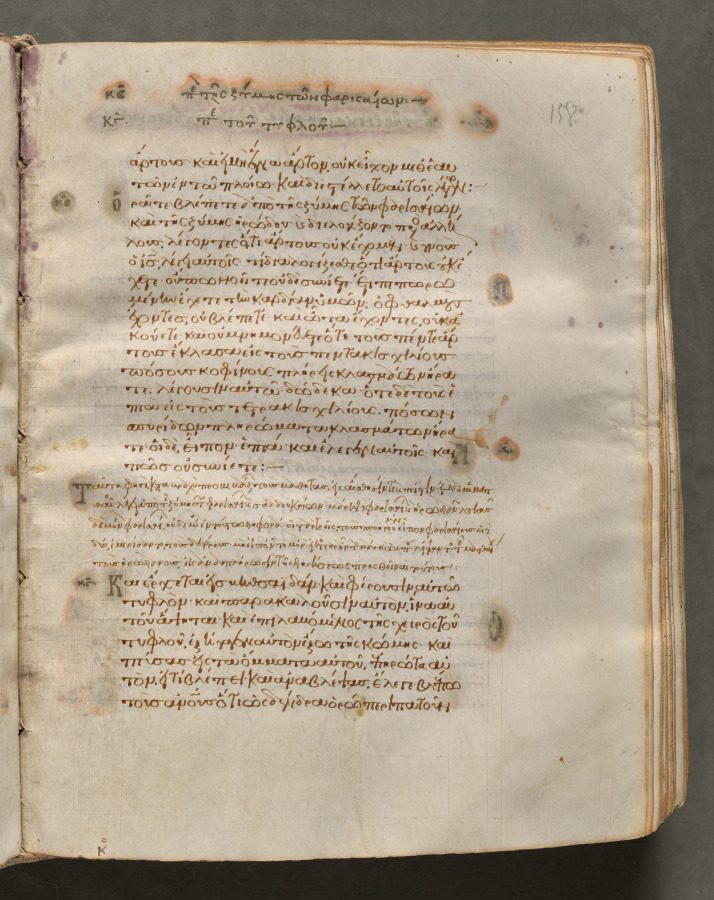
Text, folio 158 (recto), from a Gospel Book with CommentariesTexto, folio 158 (recto), de un Libro de los Evangelios con comentarios

Hours of Charles the Noble, King of Navarre: Folio 92r, TextLibro de Horas de Carlos el Noble, rey de Navarra: folio 92r, Texto
Written by an AI model (muse-wonder-1.0). Check the references before relying on dates or names.Lo escribió un modelo de IA (muse-wonder-1.0). Revisa las referencias antes de fiarte de fechas o nombres.