Atlas of stylesAtlas de estilos
PurismPurismo francés: el objeto-tipo
Francia, 1918-1930Amédée Ozenfant y Le Corbusier, ParísMovimientos artísticosRarity 5/5Rareza 5/5JSON
Purism was a French movement developed in Paris between 1918 and 1930 by Amédée Ozenfant and Le Corbusier. It emerged after World War I in response to Cubism, which they considered too decorative and fragmented. It proposes the objet-type: everyday objects perfected by use and industry —bottles, glasses, guitars, pipes— represented with clarity, order, and economy. It is unmistakable for its crisp silhouettes, sober colors, and almost architectural harmony, without drama or anecdote.
El Purismo fue un movimiento francés desarrollado en París entre 1918 y 1930 por Amédée Ozenfant y Le Corbusier. Surgió tras la Primera Guerra Mundial como respuesta al Cubismo, al que consideraban demasiado decorativo y fragmentado. Propone el objeto-tipo: objetos cotidianos perfeccionados por el uso y la industria —botellas, vasos, guitarras, pipas— representados con claridad, orden y economía. Es inconfundible por sus siluetas nítidas, colores sobrios y armonía casi arquitectónica, sin drama ni anécdota.
Visual vocabularyVocabulario visual
It reduces objects to clear volumes: cylinders, cones, spheres, discs, and parallel lines that recall bottles, glasses, carafes, plates, siphons, pipes, books, and guitars. Characteristic motifs are the bottle profile, the guitar sound hole, and stacked circular plates. Line is continuous, firm, and enclosing: it draws the complete silhouette before any detail. Color is muted and earthy: ochres, warm grays, umber, sage green, and dusty blue on off-white grounds. There is no ornament, pattern, or shine; beauty comes from proportion, overlap, and the relationship among forms.
Reduce los objetos a volúmenes claros: cilindros, conos, esferas, discos y líneas paralelas que recuerdan botellas, vasos, garrafas, platos, sifones, pipas, libros y guitarras. Son motivos característicos el perfil de la botella, la boca de la guitarra y los platos circulares apilados. La línea es continua, firme y envolvente: dibuja la silueta completa antes que el detalle. El color es apagado y terroso: ocres, grises cálidos, sombra, verde salvia y azul polvoriento sobre fondos hueso. No hay ornamento, patrón ni brillo; la belleza viene de la proporción, la superposición y la relación entre formas.
CompositionComposición
The image is organized frontally, like a small architecture. On a tabletop cut by a horizontal line, objects overlap and fit into one another, sharing contours and vertical axes. There's no deep perspective or theatrical view; the plane stacks gently, with measured voids and symmetries that balance the whole. Everything seems calculated with regulating lines, but without rigidity: asymmetric and calm.
La imagen se organiza de frente, como una pequeña arquitectura. Sobre una mesa marcada por una horizontal, los objetos se superponen y encajan unos en otros, compartiendo contornos y ejes verticales. No hay perspectiva profunda ni vista teatral; el plano se apila con suavidad, con vacíos medidos y simetrías que equilibran el conjunto. Todo parece calculado con líneas reguladoras, pero sin rigidez: asimétrico y sereno.
Texture and techniqueTextura y técnica
It's traditionally oil on canvas rendered with a smooth, matte, controlled surface. Paint is applied in flat, even layers, with fine contours and very little impasto or visible gesture. Avoid cracked textures, aging effects, or expressive brushwork. Digitally, it calls for uniform color fields, clean edges, and a slight canvas grain, never a plasticky or glossy finish.
Es tradicionalmente óleo sobre lienzo de superficie lisa, mate y controlada. La pintura se aplica en capas planas y uniformes, con contornos finos y muy poco empaste o gesto visible. Evita texturas craqueladas, efectos de envejecido o brochazos expresivos. En digital pide campos de color uniformes, bordes limpios y un leve grano de lienzo, nunca acabado plastificado ni brillante.
LetteringLetras
Not applicable as painted lettering within the works. In graphic adaptations, use spare geometric sans-serifs, well-spaced capitals, and restrained editorial layouts, in the spirit of its era's modern publications.
No aplica como letra pintada dentro de las obras. En adaptaciones gráficas, usa sans geométricas sobrias, mayúsculas con buen espaciado y maquetación editorial contenida, en el espíritu de las publicaciones modernas de su época.
Why almost nobody uses itPor qué casi nadie lo usa
It is almost absent from AI images because models confuse it with Cubism, Bauhaus, or any minimalist still life; its name yields few results and its subtlety doesn't stand out against more spectacular styles. Today it contributes a rare alternative: order without coldness, industrial modernity without noise, and everyday objects treated with dignity and clarity.
Casi no aparece en imágenes de IA porque los modelos lo confunden con cubismo, Bauhaus o cualquier bodegón minimalista; su nombre produce pocos resultados y su sutileza no compite con estilos más espectaculares. Hoy aporta una alternativa rara: orden sin frialdad, modernidad industrial sin ruido y objetos cotidianos tratados con dignidad y claridad.
What gives a cheap imitation awayQué delata una imitación barata
Turning it into fragmented Cubism, with broken planes and multiple viewpoints. Using bright, saturated colors, glossy photorealistic reflections, or dramatic shadows. Adding surreal elements, characters, expressionist brushstrokes, or abundant decoration. Making it a generic 'minimal still life' without interlocking silhouettes or a generic vintage poster with retro textures.
Convertirlo en cubismo fragmentado, con planos rotos y múltiples puntos de vista. Usar colores brillantes y saturados, reflejos fotorrealistas brillantes o sombras dramáticas. Añadir elementos surrealistas, personajes, pincelada expresionista o decoración abundante. Hacerlo un «bodegón minimalista» genérico, sin siluetas encajadas, o un cartel vintage genérico con texturas retro.
Ideas for todayIdeas para hoy
- 1. Cultural poster: a museum or design festival poster with a bottle, a book, and an instrument as a calm, memorable emblem.1. Cartel cultural: cartel de museo o festival de diseño con una botella, un libro y un instrumento como emblema sereno y memorable.
- 2. Brand identity: packaging for fragrance, coffee, or homeware seeking industrial sobriety, precision, and durable objects, without luxury ostentation.2. Marca: empaques de perfumería, café u objetos para el hogar que busquen sobriedad industrial, precisión y objetos duraderos, sin lujo ostentoso.
- 3. Video game: interiors and puzzles in a 1920s atelier where the player orders type-objects on tables and the geometry gives visual clues.3. Videojuego: interiores y acertijos en un taller de los años veinte donde el jugador ordena objetos-tipo sobre mesas y la geometría da pistas visuales.
Related pieces in the museumPiezas relacionadas en el museo
Matched by shared themes and motifs — related, not necessarily in this exact style.
Encontradas por temas y motivos en común: relacionadas, no necesariamente en este estilo exacto.

Bottle in Tiwanaku StyleBotella de estilo Tiwanaku
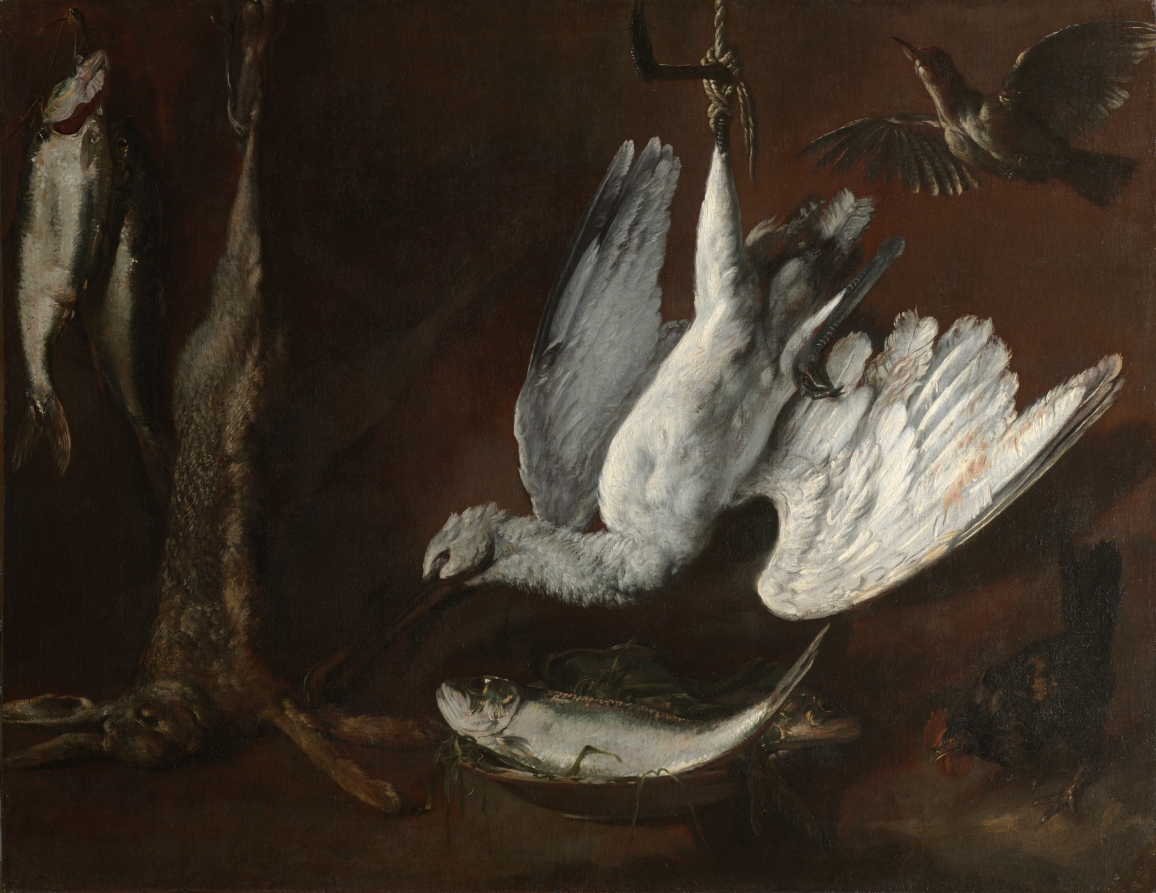
Hare, Spoonbill, and Fish: A Hanging Game Still LifeLiebre, espátula y pescado: bodegón de caza colgada

Bottle, Blue-and-White Porcelain from Edo-Period JapanBotella de porcelana azul y blanca del Japón del periodo Edo

Bottle with StopperBotella con tapón

BottleBotella
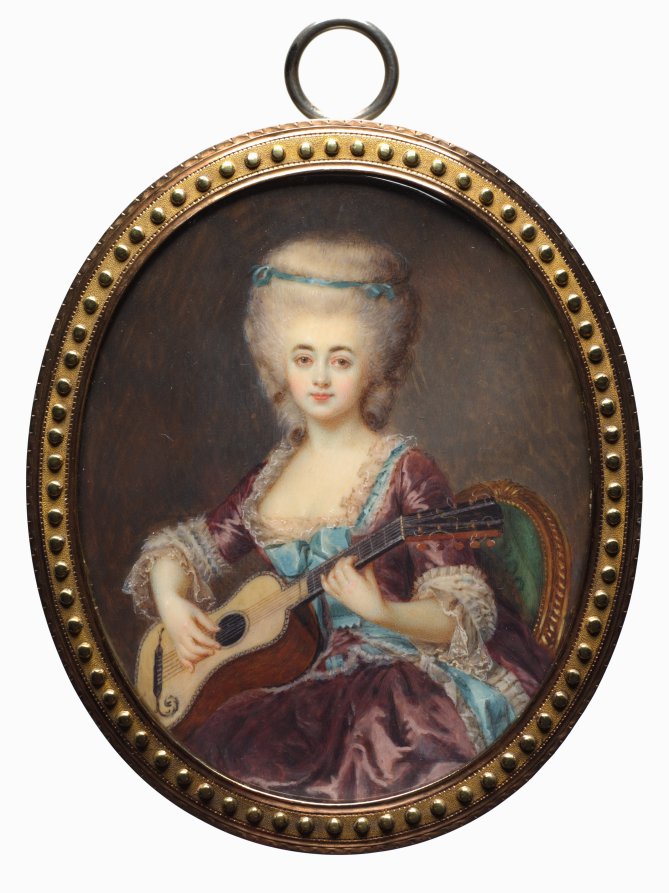
Portrait of a Woman with a Guitar, called Louise d'Aumont, Duchesse d'AumontRetrato de una mujer con guitarra, llamada Louise d'Aumont, duquesa de Aumont

Snuff Bottle StopperTapa de botella para rapé
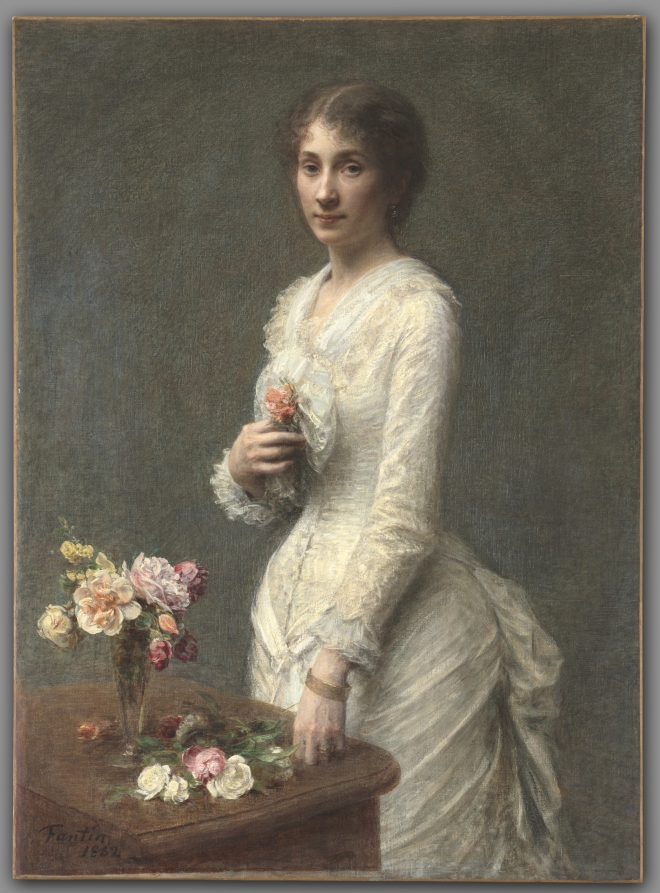
Madame Lerolle, 1882, by Henri Fantin-Latour (French, 1836–1904), oil on fabric, France, 19th century. Cleveland Museum of Art, Purchase from the J. H. Wade Fund and the Fanny Tewksbury King Collection by exchange. A restrained portrait brightened by roses.Madame Lerolle, 1882, de Henri Fantin-Latour (francés, 1836–1904), óleo sobre tela, Francia, siglo XIX. Cleveland Museum of Art, compra con el J. H. Wade Fund y la Fanny Tewksbury King Collection por intercambio. Un retrato sobrio, alegrado por las rosas.
Written by an AI model (muse-wonder-1.0). Check the references before relying on dates or names.Lo escribió un modelo de IA (muse-wonder-1.0). Revisa las referencias antes de fiarte de fechas o nombres.