Atlas of stylesAtlas de estilos
French butcher shop painted mirror signRótulo de carnicería francesa pintado sobre espejo
Francia, 1890-1950Franciagrafica-comercial-vernaculaRarity 5/5Rareza 5/5JSON
Hand-painted sign made on the reverse of a mirror, used in French butcher shops between 1890 and 1950 to announce cuts, prices and specialities. It appeared on counters, shop windows and walls behind the butcher. It is unmistakable for its mirrored background reflecting the shop, its gold and red shadowed letters, and its illustrations of cattle, pigs and sausages. It combines practical advertising, the sign painter’s craft and pride in a family artisanal business.
Rótulo comercial pintado a mano sobre el reverso de un espejo, usado en carnicerías francesas entre 1890 y 1950 para anunciar cortes, precios y especialidades. Se veía en mostradores, vitrinas y muros detrás del carnicero. Es inconfundible por su fondo espejado que refleja la tienda, sus letras doradas y rojas con sombra, y sus ilustraciones de reses, cerdos y embutidos. Une publicidad práctica, oficio del rotulista y orgullo por un negocio familiar y artesanal.
Visual vocabularyVocabulario visual
Wide, legible shapes dominate: oval cartouches, rectangular frames with curved corners, garlands and waving ribbons. Central motifs are cattle, pigs, lambs, hams, strings of sausages and butcher’s knives, drawn in profile with volume. The line is clean, brush-painted, with dark outlines and white highlights to model meat, fat and metal. Blood red, gold, cream, dark green and black prevail over the cold silver of the mirror. Ornament includes gilded fillets, leaves, small flowers, stars and cast shadows that separate each word from the reflective background.
Formas anchas y legibles dominan: cartuchos ovalados, marcos rectangulares con esquinas curvas, guirnaldas y cintas ondeantes. Los motivos centrales son bovinos, cerdos, corderos, jamones, salchichas en ristra y cuchillos de carnicero, dibujados de perfil y con volumen. La línea es limpia, pintada a pincel, con contornos oscuros y brillos blancos para modelar carne, grasa y metal. Predominan rojo sangre, dorado, crema, verde oscuro y negro sobre el plateado frío del espejo. El ornamento incluye filetes dorados, hojas, flores pequeñas, estrellas y sombras proyectadas que separan cada palabra del fondo reflectante.
CompositionComposición
The composition is frontal, symmetrical and strongly hierarchical: the butcher shop’s name occupies the upper centre in large letters, below it comes the speciality or the illustrated animal, and prices and services are placed in side bands or cartouches. Everything reads from a distance, with few important empty spaces. The mirror makes the reflection of the customer and the shop a living part of the advertisement.
La composición es frontal, simétrica y muy jerárquica: el nombre de la carnicería ocupa el centro superior en letras grandes, debajo va la especialidad o el animal ilustrado y, en franjas o cartuchos laterales, precios y servicios. Todo se lee de lejos, sin espacios vacíos importantes. El espejo integra el reflejo del cliente y del local como parte viva del anuncio.
Texture and techniqueTextura y técnica
It was painted on the back of mirrored glass in reverse order: highlights and letters first, then backgrounds and shadows, protecting areas without silvering so they could be painted. Oil paint or enamel was used, plus gold leaf applied with size. The result mixes a smooth glossy surface, slightly irregular gold, visible brush edges and, over the years, stains, losses in the mirror and craquelure.
Se pintaba al reverso del vidrio espejado, en orden inverso: primero brillos y letras, después fondos y sombras, protegiendo zonas sin azogue para pintarlas. Se usaba pintura al óleo o esmalte y pan de oro aplicado con mordiente. El resultado mezcla superficie lisa y brillante, oro ligeramente irregular, bordes de pincel visibles y, con los años, manchas, pérdidas del espejo y craquelado.
LetteringLetras
Hand-painted display capitals, wide and bold, often Tuscan or slab-like with split shades, bevels and cast shadows. Gold letters outlined in black or red alternate with cream script for words like “spécialité”. Short French words dominate: BOUCHERIE, CHARCUTERIE, PORC, BŒUF, MAISON.
Capitales de exhibición pintadas a mano, anchas y pesadas, a menudo tuscanas o tipo slab con sombras partidas, biseles y sombra proyectada. Las letras doradas con contorno negro o rojo alternan con cursivas crema para palabras como “spécialité”. Dominan palabras francesas cortas: BOUCHERIE, CHARCUTERIE, PORC, BŒUF, MAISON.
Why almost nobody uses itPor qué casi nadie lo usa
AI models confuse it with neon signs, vintage American tin signs or generic retro labels, and they struggle with readable French text reflected on a mirror. It also requires combining reverse glass painting, gold leaf and faithful butchery imagery. Today it offers instant craft credibility, appetite appeal and local character without looking like a franchise.
Los modelos de IA lo confunden con letreros de neón, carteles estadounidenses de hojalata o etiquetas retro genéricas, y les cuesta lograr texto francés legible sobre un espejo. Además exige combinar pintura inversa sobre vidrio, pan de oro e imágenes fieles de carnicería. Hoy aporta credibilidad artesanal inmediata, apetito visual y carácter local sin parecer franquicia.
What gives a cheap imitation awayQué delata una imitación barata
Using chrome or neon 3D letters instead of flat brush-painted lettering; a perfectly clean new mirror with no worn silvering; generic farm animals in modern vector style; random unreadable French words; excessive rust or dirt that hides the gold and red; adding modern typography, QR codes or minimalist layouts.
Usar letras 3D cromadas o de neón en vez de rotulación plana a pincel; un espejo nuevo y perfecto sin desgaste del azogue; animales de granja genéricos en vector moderno; palabras francesas aleatorias e ilegibles; óxido o suciedad excesivos que tapen el dorado y el rojo; añadir tipografía moderna, códigos QR o diseños minimalistas.
Ideas for todayIdeas para hoy
- Poster for a local butcher or deli market using a central cow illustration, gilded lettering and side cartouches with prices.Cartel para una carnicería o mercado local con una res ilustrada al centro, letras doradas y cartuchos laterales con precios.
- Identity for a charcuterie brand: mirror-gold and blood-red label, sausage garlands and hand-painted capitals for jars and paper wrapping.Marca de charcutería artesanal: etiqueta en dorado espejo y rojo sangre, guirnaldas de embutidos y capitales pintadas a mano para frascos y papel de envoltura.
- Video game set in a 1920s Paris neighbourhood: interactive shop signs on aged mirrors that reflect the street and help players find the butcher.Videojuego ambientado en un barrio parisino de los años veinte: rótulos interactivos sobre espejos viejos que reflejan la calle y ayudan a encontrar la carnicería.
Related pieces in the museumPiezas relacionadas en el museo
Matched by shared themes and motifs — related, not necessarily in this exact style.
Encontradas por temas y motivos en común: relacionadas, no necesariamente en este estilo exacto.
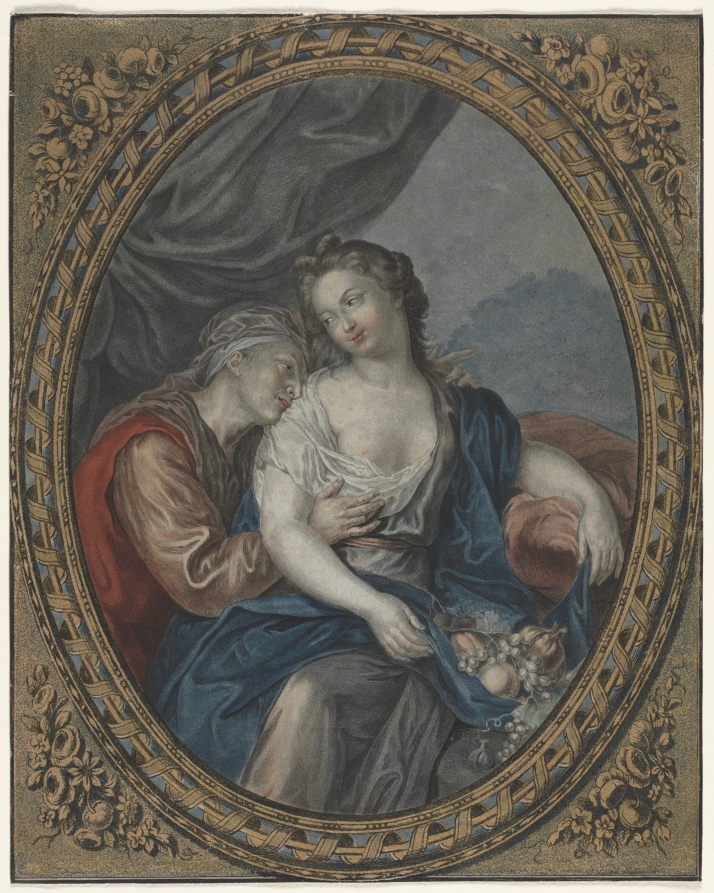
Vertumnus and Pomona, with Printed Gold Leaf FrameVértumno y Pomona, con marco de oro impreso
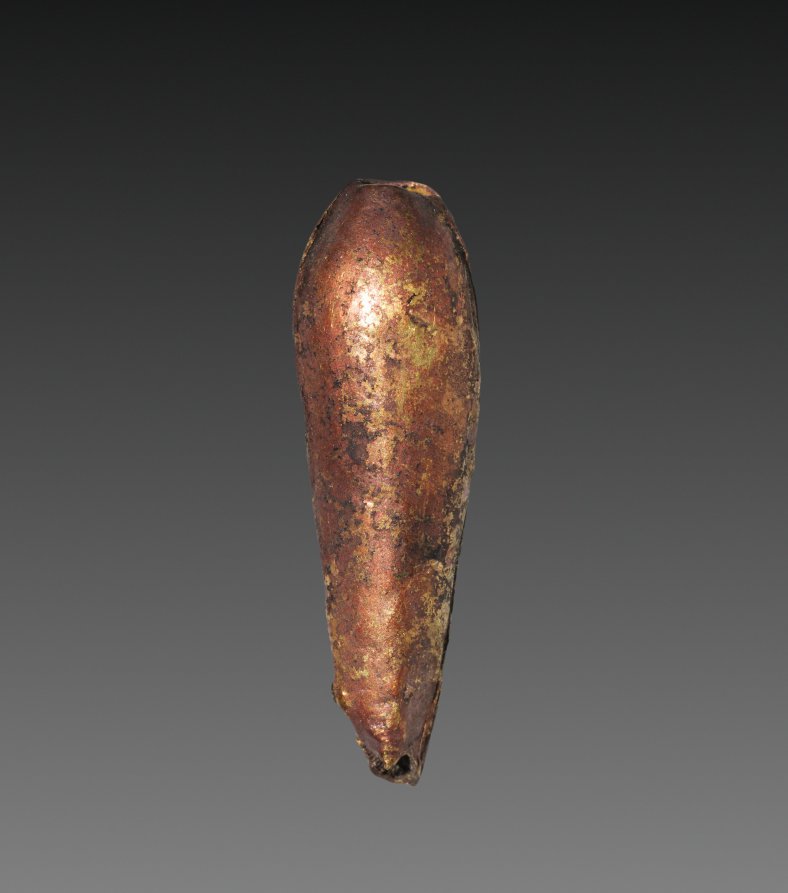
Teardrop-Shaped Bead, Middle Kingdom of EgyptCuenta en forma de lágrima, Reino Medio de Egipto
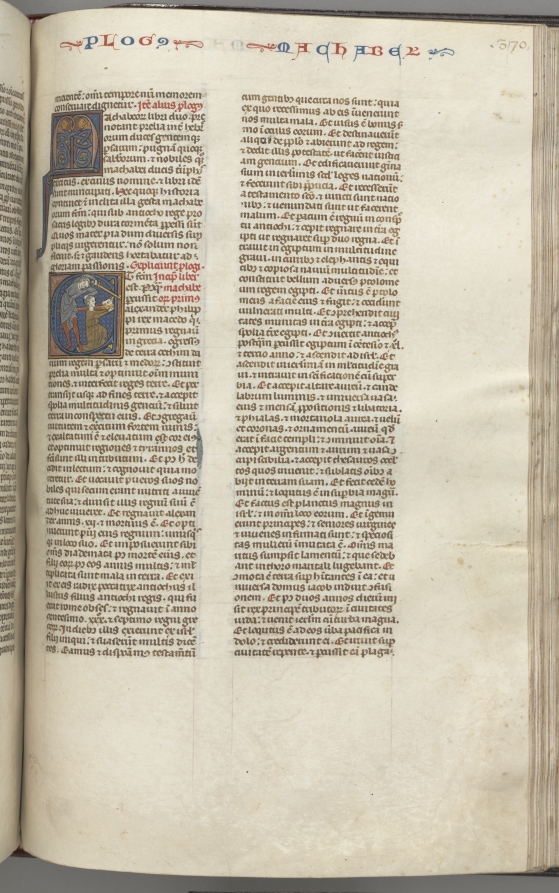
Fol. 370r, First Maccabees, Historiated Initial E, Mattathias Slaying the Idolatrous JewFol. 370r, Macabeos I, inicial historiada E, Matatías matando al judío idólatra
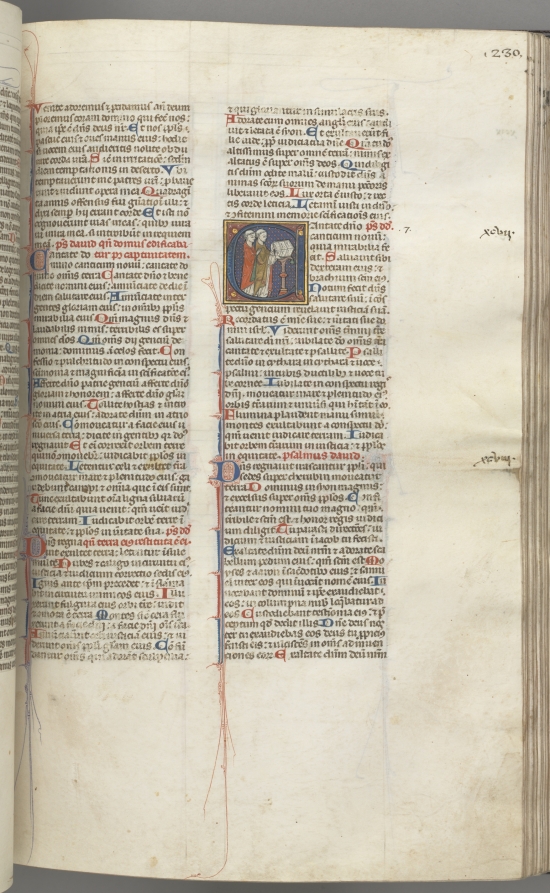
Historiated Initial C with Two Clerics Singing, Psalm 97, Fol. 230rInicial historiada C con dos clérigos cantando, Salmo 97, fol. 230r
Folio 205r: Job on the Dungheap Receiving a Gold EarringFolio 205r: Job en el muladar recibe un arete de oro
Half Leaf from a Missal: The Annunciation, c. 1415Media hoja de un misal: La Anunciación, c. 1415
Leaf from a Choral Book: The Annunciation to Zacharias, c. 1265Hoja de un libro coral: La Anunciación a Zacarías, c. 1265
Leaf from Johannes Andreae's Lectura super arboris consanguinitatis et affinitatis: Table of Consanguinity, c. 1331 — ficha para agentes que no pueden ver la imagenHoja de la Lectura super arboris consanguinitatis et affinitatis de Johannes Andreae: Tabla de consanguinidad, hacia 1331 — ficha para agentes que no pueden ver la imagen
Written by an AI model (muse-wonder-1.0). Check the references before relying on dates or names.Lo escribió un modelo de IA (muse-wonder-1.0). Revisa las referencias antes de fiarte de fechas o nombres.